
- All
- Product Name
- Product Keyword
- Product Model
- Product Summary
- Product Description
- Multi Field Search


Views: 0 Author: Site Editor Publish Time: 2026-02-28 Origin: Site


Aluminum composite panel is a popular choice for modern buildings and signage, offering lightweight strength, insulation, and sleek finishes. But how does it differ from traditional aluminum cladding? In this article, we compare structure, weight, durability, fire safety, and design options to help you pick the right material for facades, partitions, or signage projects.
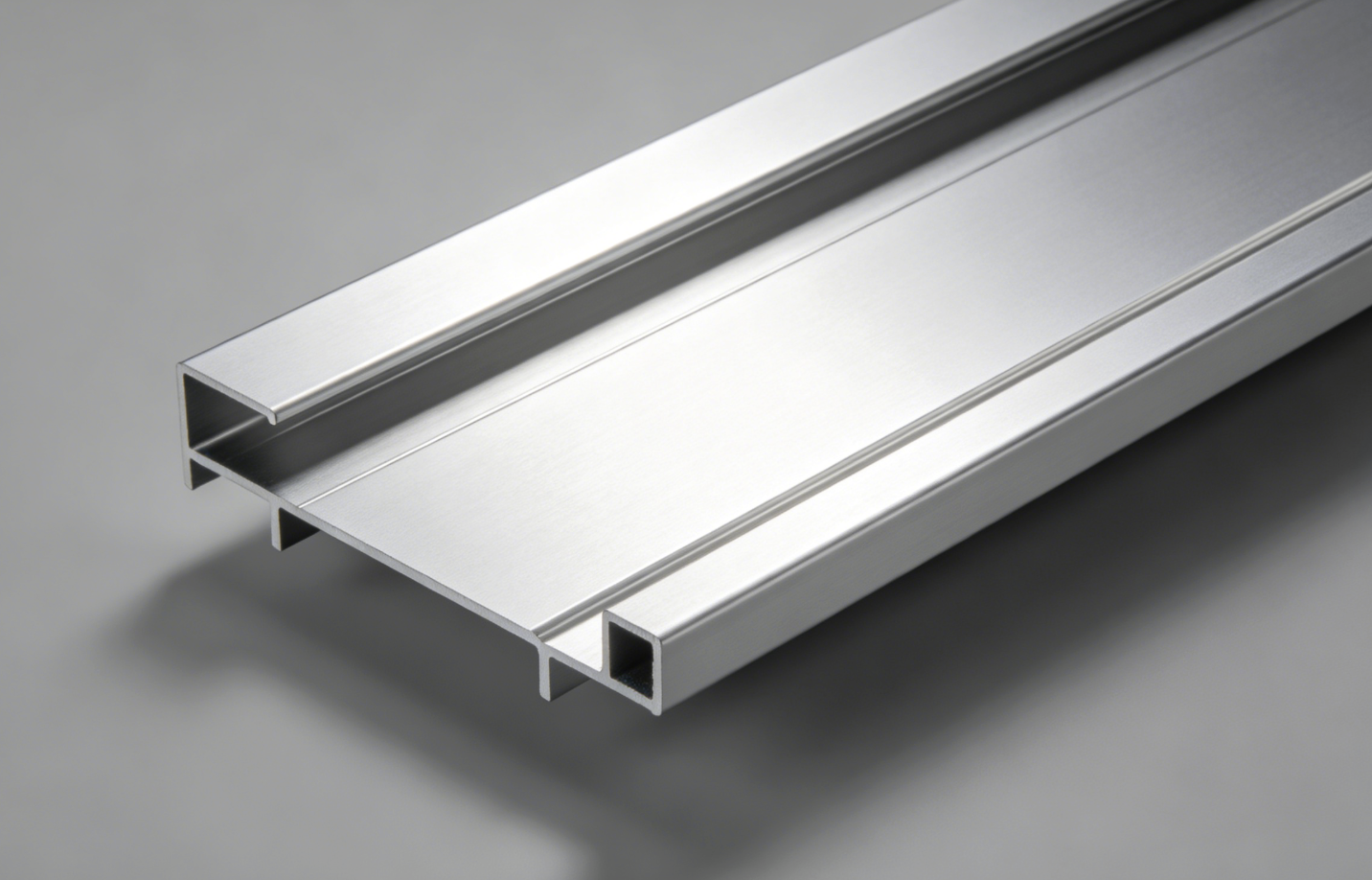
Aluminum cladding is made from solid, single-layer aluminum sheets. They often include alloys like manganese, magnesium, or zinc, which boost strength and durability. Typical panels range from 2–6 mm thick and come in various sizes depending on project needs. They are pre-treated and coated to resist corrosion, dirt, and environmental damage. Some finishes use anodizing or chemical conversion layers to enhance color and protection. These panels are rigid yet lightweight, making them easy to handle during installation.
Durability: Can last up to 80 years under normal conditions.
Fire Safety: Non-combustible, melts only at high temperatures (~600°C).
Weather & UV Resistance: Pre-treated surface reduces fading, warping, and rust.
Thermal & Electrical Conductivity: Useful for heat transfer or energy-efficient designs.
Malleability: Can bend, shape, or form into unique designs without breaking.
| Feature | Benefit |
|---|---|
| Durability | Long-lasting, minimal maintenance |
| Fire Resistance | Safe for construction, meets building codes |
| Weather & UV Protection | Fades slowly, resists corrosion and extreme climates |
| Thermal & Electrical | Can conduct heat/electricity for technical applications |
| Malleability | Allows creative architectural shapes and custom designs |
Aluminum cladding is versatile and used across many industries. Examples include:
Building: Window frames, curtain walls, roofing, residential siding, storefronts, commercial façades.
Transportation: Panels in aircraft, trains, cars, and ships for lightweight protection.
Industrial & Electrical: Covers for transformers, enclosures, and other technical equipment.
It’s easy to see why architects and builders prefer it—it combines strength, light weight, and design flexibility.
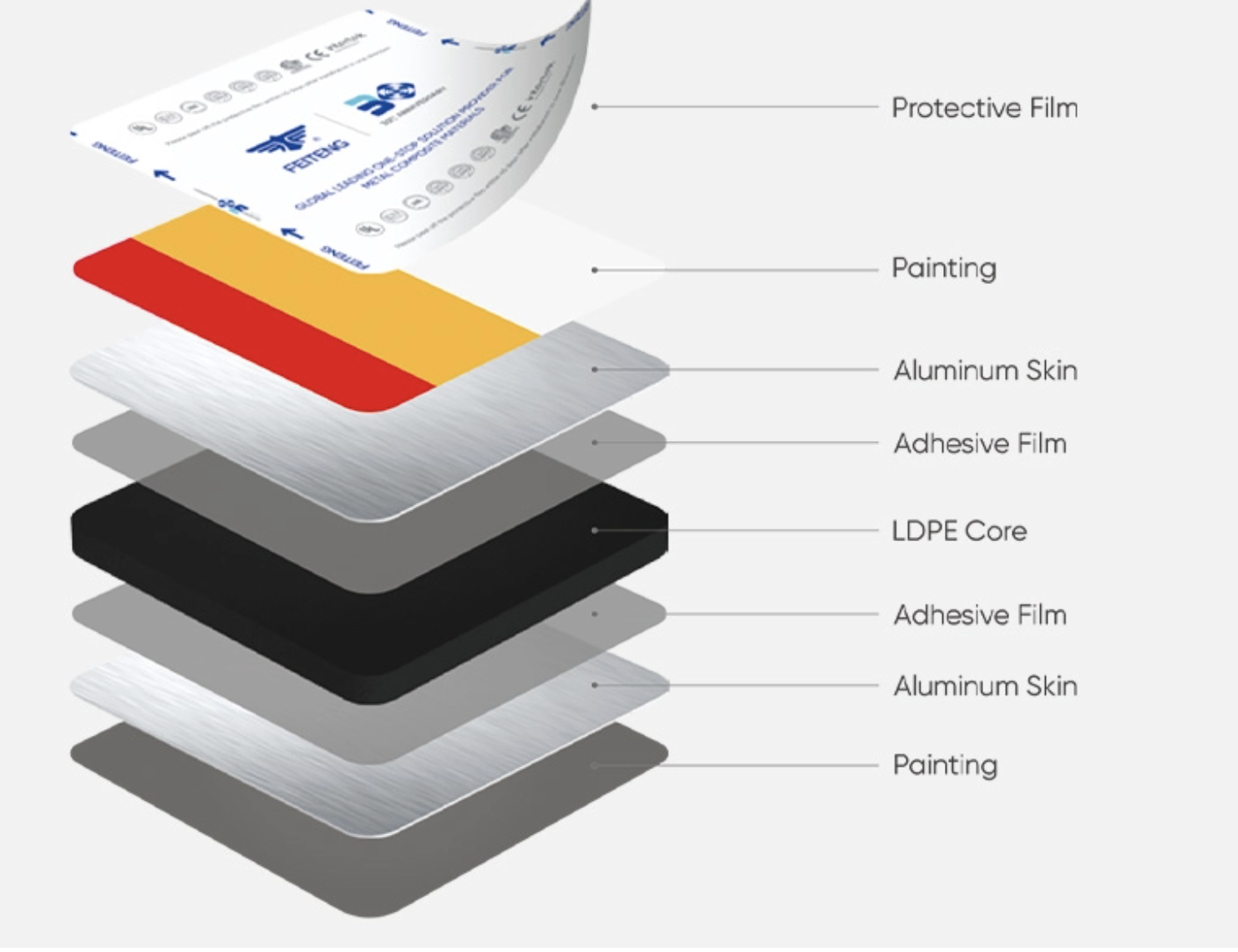
Aluminum Composite Panels are sandwich panels made of two thin aluminum sheets bonded to a core, usually polyethylene or a mineral-filled material. This core provides rigidity, insulation, and soundproofing. Typical panel thickness ranges from 3 to 5 millimeters, keeping them lightweight while maintaining stability. A protective film covers the surface during transport and installation to prevent scratches or damage. These panels remain flat over time, even in larger sizes.
Lightweight: Easy to handle, transport, and install.
Superior Flatness: Avoids oil canning and maintains a clean appearance.
Thermal and Sound Insulation: The core reduces heat transfer and dampens noise.
Finish Variety: Available in matte, gloss, metallic, and custom colors.
Fire-Rated Options: Mineral-filled cores meet ASTM Class A or B fire safety standards.
| Feature | Benefit |
|---|---|
| Lightweight | Reduces labor effort and structural load |
| Flatness | Smooth surface ideal for modern designs |
| Thermal & Sound Insulation | Improves energy efficiency and indoor comfort |
| Finishes | Multiple colors, textures, metallic and custom options |
| Fire Rating | Complies with safety standards for high-risk applications |
Aluminum Composite Panels are popular in modern architecture and interior design. Typical uses include:
Exterior and Interior Facades: Buildings, walls, and decorative panels.
Signage and Wayfinding: Smooth surface suitable for printing and graphics.
Column Covers and Canopies: Durable, weather-resistant protection.
Partitions and Room Dividers: Lightweight solution for offices or commercial spaces.
Modern Architectural Projects: Perfect for designs needing flat, uniform surfaces.
These panels combine visual appeal, strength, and functionality, making them a preferred choice for designers and builders.
Aluminum cladding is made from solid aluminum sheets, often alloyed with manganese, magnesium, or zinc for added strength and corrosion resistance. Aluminum Composite Panels combine two thin aluminum layers bonded to a plastic or mineral-filled core. This core adds rigidity, insulation, and keeps panels flat. The difference in structure affects weight, flexibility, insulation, and overall performance. Solid aluminum is rigid and strong but heavier. Composite panels balance strength and lightness, while providing thermal and acoustic benefits.
Aluminum Composite Panels are significantly lighter than solid aluminum sheets. This makes them easier to handle, transport, and install, especially on tall facades or curved surfaces. Solid aluminum is heavier and may require additional labor or structural support during installation. Using the right fixing methods ensures safety and efficiency for both materials.
Both materials resist corrosion, but in different ways. Aluminum Composite Panels have coatings that protect against UV rays, moisture, and scratches. Solid aluminum develops a natural oxide layer that shields against rust and can be further enhanced with anodizing or paint coatings. Regular cleaning keeps both types performing and looking great.
Solid aluminum is non-combustible and melts at around 600°C. Composite panels’ fire performance depends on the core material. Polyethylene cores are combustible and often avoided in building facades. Mineral-filled cores improve fire ratings and can meet ASTM Class A or B standards. Always verify fire compliance before selecting materials for a project.
Aluminum Composite Panels outperform solid aluminum in insulation. The core reduces heat transfer and dampens noise, improving building energy efficiency and indoor comfort. Solid aluminum conducts heat quickly, offering less thermal and sound insulation. Projects prioritizing energy savings or soundproofing often prefer composite panels.
Aluminum Composite Panels offer a wide range of finishes: matte, gloss, metallic, wood, and stone effects. They maintain smooth, flat surfaces without warping. Solid aluminum panels have fewer finish options and may show oil canning on large sheets. Both can be cut, bent, and shaped, but composite panels are easier for intricate designs.
Composite panels are cost-effective for large facades, signage, or commercial projects. Their lighter weight reduces labor costs and installation time. Solid aluminum has a higher upfront cost but offers extremely long lifespan and minimal replacement needs. Both materials require basic maintenance: pressure washing for aluminum cladding, mild detergent for coated composite panels.
| Feature | Aluminum Composite Panels | Solid Aluminum Panels |
|---|---|---|
| Weight | Light, easy to handle | Heavy, needs more support |
| Installation | Faster, less labor | Slower, more structural work |
| Durability | UV, moisture resistant | Long-lasting, oxide layer protects |
| Fire Safety | Depends on core, mineral-filled safer | Non-combustible, melts ~600°C |
| Insulation | Good thermal & sound insulation | Poorer thermal & acoustic insulation |
| Design Options | Wide variety, smooth surface | Limited finishes, may show oil canning |
| Cost | Lower for large projects | Higher upfront, long-term savings |
| Maintenance | Low, periodic cleaning | Low, occasional coating upkeep |
| Recyclability | Recyclable, core complicates process | Fully recyclable, environmentally friendly |
Solid aluminum is fully recyclable, making it environmentally friendly and ideal for sustainable projects. Composite panels can be recycled, but the core adds complexity, requiring specialized processing. Designers should consider material choice carefully to meet sustainability goals while balancing performance, weight, and cost.
A: Aluminum cladding is a solid metal sheet, heavy and rigid, while aluminum composite panels consist of two thin aluminum layers bonded to a plastic or mineral core, making them lighter, more flexible, and better insulated.
A: Yes, aluminum composite panels are generally more cost-effective for large projects due to lower material, transport, and installation costs.
A: Solid aluminum is non-combustible. ACP panels’ fire performance depends on the core, with mineral-filled cores offering improved fire resistance.
A: Yes, aluminum composite panels are suitable for interior walls, facades, signage, and partitions.
A: Solid aluminum can last up to 80 years. ACP panels typically last 40–50 years with proper care.
Choosing between aluminum cladding and aluminum composite panel doesn’t have to be complicated. Composite panels provide versatility, lighter weight, and smooth finishes for modern designs, while solid aluminum offers unmatched durability and recyclability.
For projects large or small, Zhangjiagang Feiteng New Composite Materials Co., Ltd. delivers high-quality solutions and expert support to help you select the right panel. Explore your options and create buildings or signage that last, perform, and impress.


