
- All
- Product Name
- Product Keyword
- Product Model
- Product Summary
- Product Description
- Multi Field Search


FEITENG LYRA Traffic is a special series of high-grade aluminum composite panel for Traffic Road Signs. It boasts significant advantages including light weight, high strength, excellent flatness, and weather resistance. It includes two layers of Aluminum skins, composited with a layer of excellent PE core. The polyester coating on the surface could be available for White, Grey and other colors. With the excellent components, the warranty of FEITENG LYRA Trac ACP can be up to 12 years.
NOW, FEITENG LYRATraffic has ocially obtained full compliance certification under the European Standard EN 12899-1, signifying that FEITENG aluminum composite panel have achieved unrestricted application authorization in the European trac signage sector. This milestone enables the provision of certified reliable material solutions for EU road signs.
For traffic sign applications, we recommend using FEITENG LYRA with the following specifications:
Aluminum Thickness:0.3mm
Total Panel Thickness:3mm or 4mm
Coating Type:Polyester
Core Material:High quality LDPE core
※ For other sizes and required samples, please contact info@feitengacp.com
 |  |
 |  |
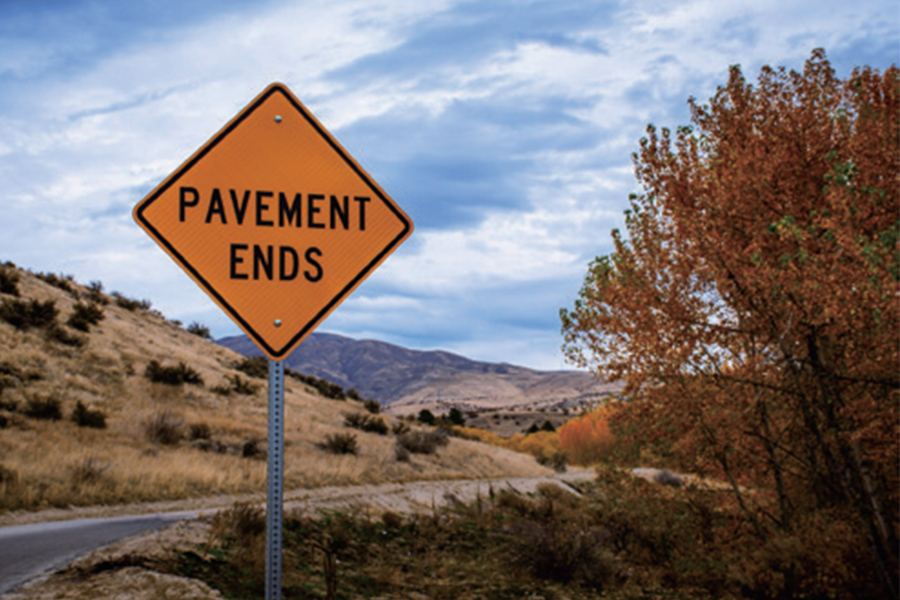
Our signage‑grade ACP is built for outdoor sign programs where visibility and stability matter. The lightweight, rigid construction stays flat in service, helping reduce installation time and life‑cycle costs. It supports regulatory, warning, guide, and information signage across varied environments.
ACP offers a strong strength‑to‑weight balance that simplifies handling and improves on‑site stability. Corrosion‑resistant aluminum skins and robust bonding help preserve legibility over years of exposure. A smooth, low‑waviness surface supports high‑fidelity digital printing and clean application of retroreflective films for clear, compliant signs in diverse climates.
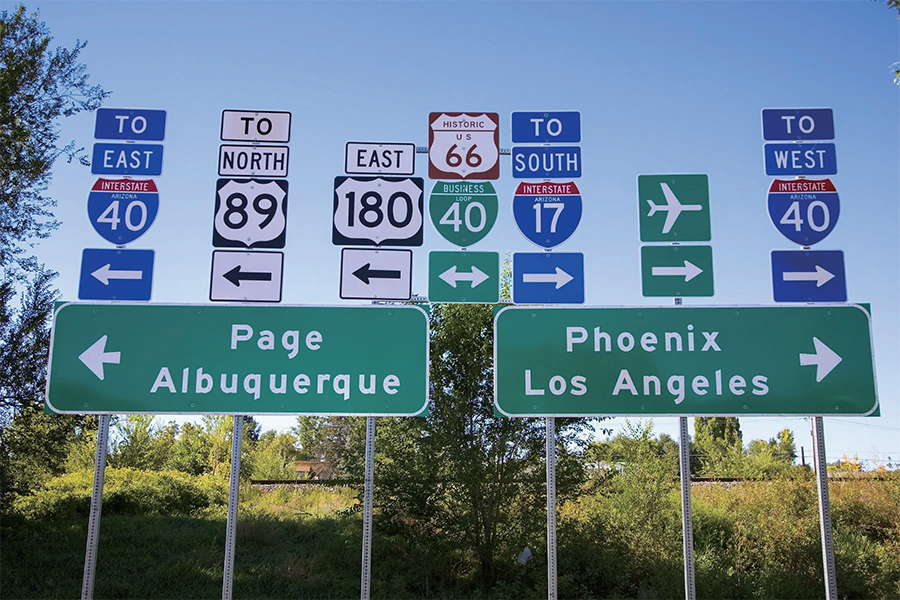
These panels suit speed limits, prohibitions, hazard warnings, guide and directional signs, and facility wayfinding. Clarity and contrast are maintained for drivers and pedestrians on highways, streets, campuses, airports, rail corridors, and port access roads.
Typical aluminum skin gauges are 0.3–0.5 mm bonded to a stable core for high rigidity at low weight. Common thicknesses are 3 mm and 4 mm for post‑mounted uses, with larger formats available where extra stiffness is required. Fire‑retardant cores are optional for demanding sites.
PVDF or PE topcoats provide UV stability, gloss retention, and cleanability. Anti‑graffiti and stain‑resistant options help protect legibility. Consistent flatness supports adhesion of retroreflective sheeting and vinyl films. Custom colors and gloss levels, including metallic effects, can match standards or wayfinding schemes.
Tight flatness tolerances support print quality. High peel strength maintains bond integrity over time. The panels resist wind load, temperature swings, humidity, and salt spray. UV performance targets low color shift to preserve contrast and readability through service life.
Standard sheets include 1220 × 2440 mm and 1500 × 3000 mm. Cut‑to‑size, pre‑drilled holes, edge finishing, and route‑and‑fold are available for custom shapes. Radius bending and corner rounding enable specialized sign faces and complex wayfinding panels.
Digital Printing Grade ACP supports UV, solvent, and latex processes for crisp text and symbols. The surface is compatible with EN‑ and ASTM‑class retroreflective sheeting for dependable night visibility. Low surface waviness and strong ink adhesion aid color consistency across batches.
These panels work with common hardware on posts, frames, and cantilevered gantries. Low weight reduces lifting needs and speeds installation on highways and urban streets.
Non‑porous coatings simplify cleaning of pollutants, road grime, and graffiti without harming prints or films. Routine checks of fasteners and film edges help maintain reflective performance. Replacement or refurbishment is straightforward.
FR cores, durable topcoats, and high peel strength support long‑term bond integrity. When used with certified reflective films, inks, and symbol sets, materials can be specified to meet regional sign requirements for visibility and legibility.
Lightweight construction lowers transport emissions and simplifies handling. Durable coatings and corrosion resistance reduce replacements. Recyclable aluminum skins support responsible material use.
Use these panels for regulatory signs, hazard warnings, guide and directional boards, and lane control. They perform on expressways, city intersections, parking facilities, campuses, airports, rail, and ports where flatness and readability are critical.
Q: Which thickness should I choose for post‑mounted signs?
A: 3 mm and 4 mm panels are common. Select based on sign size, wind exposure, and mounting span. Larger panels or higher wind zones may require greater stiffness.
Q: Are the panels compatible with high‑intensity and microprismatic films?
A: Yes. The smooth, low‑waviness surface supports adhesion of EN‑ and ASTM‑classified retroreflective sheetings when applied per film supplier instructions.
Q: When is a fire‑retardant core recommended?
A: Use FR cores in tunnels, enclosed facilities, or where local codes require enhanced fire performance.
Get guidance on material selection, printing workflows, film compatibility, and hardware recommendations from our support team. We draw on global project experience to help you specify durable sign assemblies. Contact our Traffic Road Sign supplier team to discuss your project or request a quote.


