
- All
- Product Name
- Product Keyword
- Product Model
- Product Summary
- Product Description
- Multi Field Search


Views: 0 Author: Site Editor Publish Time: 2026-02-28 Origin: Site


Aluminum composite panel is a versatile solution for modern construction and design, offering lightweight strength, thermal insulation, and sleek finishes. From high-rise façades to interior partitions, it handles extreme weather, reduces noise, and simplifies installation. In this guide, we’ll explore how aluminum composite panels are made, their durability, sustainability, and performance advantages. Whether you’re planning a commercial project or a creative architectural design, understanding these panels helps you make smarter choices for cost, aesthetics, and long-lasting results.
Aluminum Composite Panels (ACPs) start life through a continuous lamination process. They combine two thin aluminum sheets around a core, usually polyethylene (PE) or fire-resistant material. The layers move through rollers that press them together tightly. This ensures the core bonds securely to the aluminum skins, creating a smooth, strong panel ready for use.
We often see machines applying heat and pressure simultaneously. It keeps the layers perfectly flat and prevents bubbles or gaps. During this stage, the panel’s surface gets carefully smoothed. They exit the line uniform in thickness, color, and finish. After lamination, a protective film covers the ACP panel. This film prevents scratches or dirt during transport, handling, and installation. We can peel it off right before the panel goes on a wall or façade.
Key Steps in ACP Manufacturing:
| Step | Description |
|---|---|
| Lamination | Core is sandwiched between aluminum sheets under heat and pressure |
| Flattening | Rollers smooth the surface and remove irregularities |
| Coating | Paint or finish is applied to achieve desired color and texture |
| Protective Film | Temporary layer shields the panel until installation |
The lamination line runs continuously, producing large panels efficiently.
Core material selection affects strength, insulation, and fire resistance.
Protective film saves panels from scratches, dust, and minor damage.
They are ready for bending, cutting, or shaping after the film is removed.
This process ensures every ACP panel maintains structural integrity and a flawless surface, ready for designers and builders to use in any project.
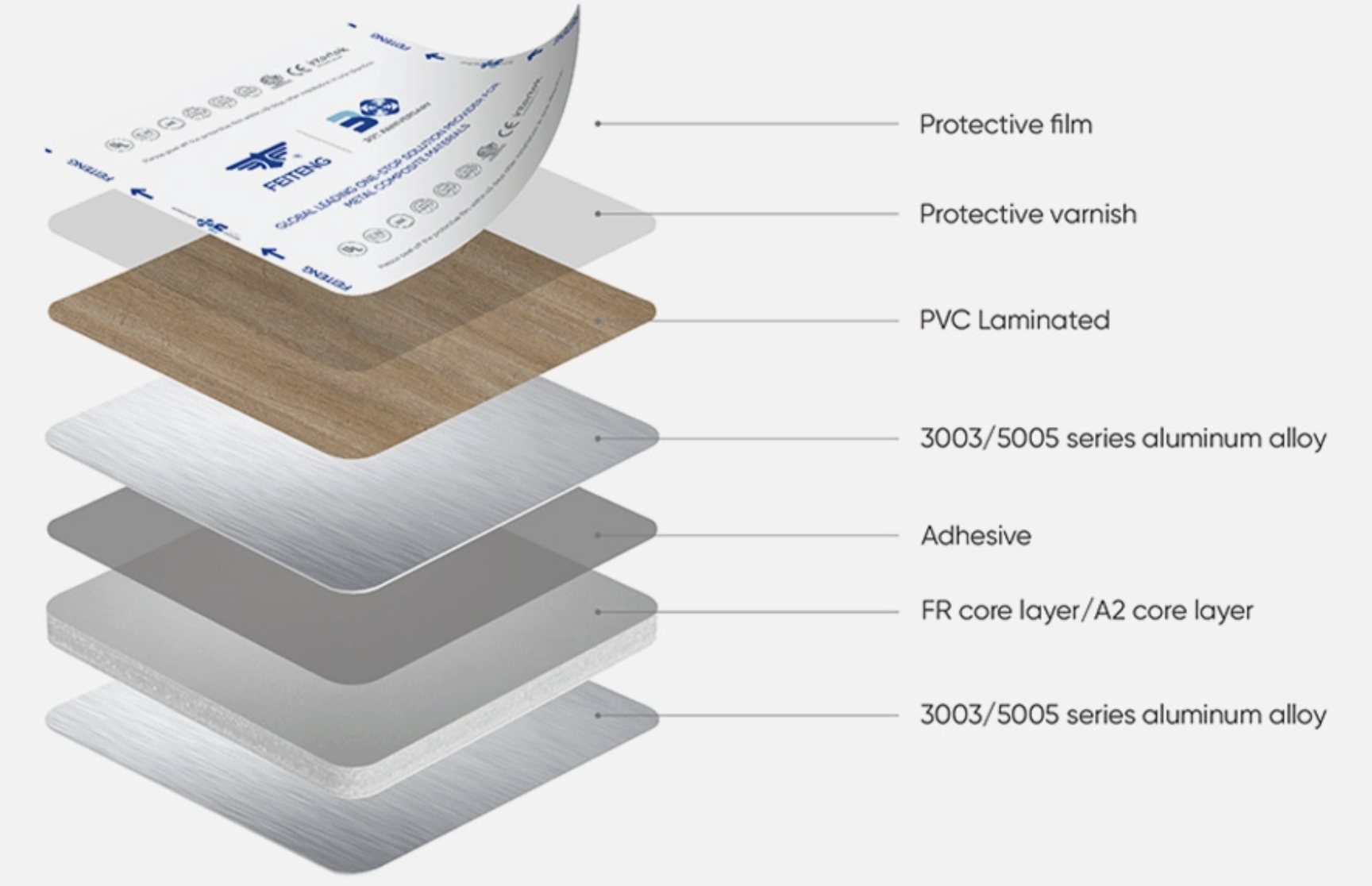
Aluminum Composite Panels (ACPs) are surprisingly robust despite being lightweight. They combine thin aluminum layers and a solid core, creating panels that bend slightly but resist breaking. This makes them ideal for large façades and high-rise buildings.
The strength-to-weight ratio of ACPs is a major advantage. They reduce structural load, so architects can design taller, more open buildings without adding heavy support beams. They handle stress efficiently, keeping walls strong even under high wind or seismic activity.
Architects and builders have trusted ACPs in iconic projects around the globe.
Examples of structures using ACPs:
| Structure | Location | Notable Feature |
|---|---|---|
| VanDusen Botanical Garden Pavilion | Canada | Curved façade with vibrant colors |
| Spaceship Earth, Epcot | Florida, USA | Smooth, geometric panels |
| Modern commercial towers | Worldwide | Lightweight cladding for tall buildings |
They are chosen for complex designs, curved surfaces, and lightweight construction.
ACP panels help reduce installation time while maintaining high durability.
Designers can combine panels for a seamless, sleek appearance that lasts decades.
Aluminum Composite Panels (ACPs) are designed to be eco-friendly. Many panels use recycled aluminum, helping reduce the demand for raw materials. The recycling process preserves quality, so leftover panels or offcuts can be reused without losing strength or finish.
Production of ACPs also consumes less energy compared to primary aluminum. This energy efficiency results in a lower carbon footprint, making ACPs a greener choice for construction projects.
ACPs can contribute to green building certifications like LEED. They help earn points in categories such as energy efficiency, material reuse, and sustainable construction.
Ways ACPs support green certifications:
High recycled content reduces environmental impact
Long-lasting panels reduce material replacement needs
Lightweight construction lowers transportation energy
VOC-free coatings improve indoor air quality
| Feature | Benefit |
|---|---|
| Recycled aluminum | Conserves raw resources |
| Recyclable leftovers | Reduces construction waste |
| Energy-efficient production | Lowers CO₂ emissions |
| VOC-free coatings | Safer indoor environments |
They make it easy for architects and builders to integrate sustainable materials into modern construction projects while achieving stylish, functional facades.
Aluminum Composite Panels (ACPs) handle extreme temperatures from -50°C to +80°C without warping or cracking. They stay strong in both freezing winters and scorching summers. These panels resist UV radiation, moisture, and corrosion, maintaining their color and surface finish over time. They are perfect for tropical climates, coastal regions, and harsh outdoor environments.
Proper care ensures panels last decades, even under tough conditions.
Tips for durability:
Wash panels periodically using mild soap and water
Inspect joints and sealants for leaks or gaps
Avoid abrasive cleaning tools that may scratch surfaces
Apply protective coatings in coastal areas to minimize salt corrosion
Quick Table: ACP Weather Resistance Features
| Feature | Benefit |
|---|---|
| Extreme temperature tolerance | No warping or cracking |
| UV-resistant coating | Maintains color and sheen |
| Moisture protection | Prevents swelling or delamination |
| Corrosion resistance | Long-lasting structural integrity |
They allow architects and builders to use ACPs in nearly any climate, ensuring façades stay attractive and functional for years.
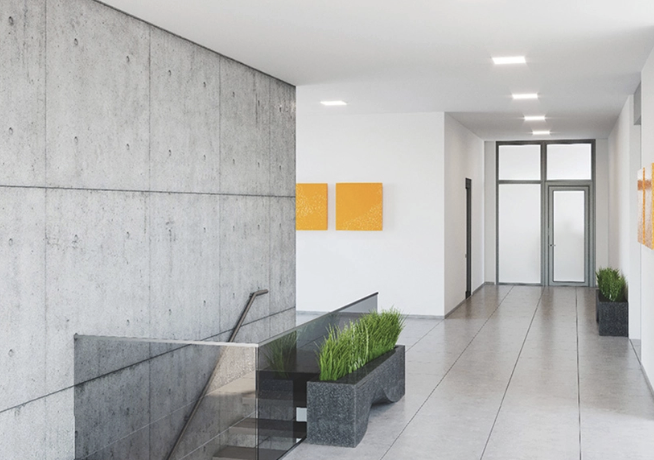
Aluminum Composite Panels (ACPs) naturally help regulate indoor temperatures. Their layered structure reduces heat transfer, keeping spaces cooler in summer and warmer in winter. By minimizing thermal bridging, ACPs lower the load on HVAC systems, helping buildings save on energy consumption and costs over time.
They also provide sound insulation, blocking external noise and improving comfort. Offices, hospitals, and residential buildings benefit from quieter interiors.
ACPs are ideal for environments requiring sound control:
Key Applications:
Hospitals and healthcare facilities to maintain a calm environment
Offices and conference rooms to reduce distractions
Schools and libraries for quieter learning spaces
Residential buildings near busy roads or airports
Quick Table: ACP Insulation Benefits
| Feature | Advantage |
|---|---|
| Thermal insulation | Reduces energy usage |
| Acoustic insulation | Dampens external noise |
| Layered design | Maintains interior comfort |
| Lightweight structure | Easy installation in large areas |
They allow designers to combine aesthetics and performance, making ACPs both functional and stylish for modern buildings.
ACPs are remarkably light compared to timber, concrete, vinyl, and stone. A standard ACP sheet weighs around 2.5 pounds per square foot, making handling easier. This lightweight nature reduces transportation costs and simplifies installation. Fewer workers and smaller equipment are needed, saving time and labor expenses. The panels’ ease of use also lowers overall construction costs, especially for large façades or multi-story projects.
ACPs allow architects to push creative boundaries without worrying about added structural load. Curved walls, cantilevered sections, and complex patterns become feasible.
| Material | Approx. Weight |
|---|---|
| ACP | 2.5 lbs |
| Timber | 5–6 lbs |
| Concrete Panel | 20–25 lbs |
| Vinyl Panel | 3–4 lbs |
| Natural Stone | 15–18 lbs |
Designers can achieve striking façades, elevated aesthetics, and innovative interior layouts, all while keeping structures light and safe.
ACPs are made through a continuous lamination process, where the aluminum sheets are bonded to a core under heat and pressure. A protective film is applied to prevent scratches during transport and installation.
Yes, ACPs are strong and resistant to bending, impact, and deformation while remaining lightweight. Their robust structure makes them suitable for high-rise buildings and complex designs.
ACPs resist temperatures from -50°C to +80°C, UV radiation, moisture, and corrosion, making them ideal for tropical, coastal, and harsh climates.
Yes, ACPs reduce heat transfer, helping maintain indoor temperature and lowering the load on HVAC systems.
ACPs provide acoustic insulation, dampening sound from outside and creating quieter interiors for offices, hospitals, and schools.
Aluminum composite panels combine durability, energy efficiency, and design flexibility, making them a smart choice for almost any building project. Their lightweight nature and insulation benefits save labor and reduce operational costs while supporting sustainable construction.
By selecting high-quality panels, like those from Zhangjiagang Feiteng New Composite Materials Co., Ltd., architects and builders can achieve striking façades, quiet interiors, and long-lasting performance. Explore these panels to create visually appealing, resilient, and eco-friendly spaces that stand the test of time.


