
- All
- Product Name
- Product Keyword
- Product Model
- Product Summary
- Product Description
- Multi Field Search


Views: 0 Author: Site Editor Publish Time: 2026-07-24 Origin: Site


Commercial building facades require materials that balance aesthetic flexibility with structural resilience. Premature material failure leads to catastrophic replacement liabilities and project delays. Architects, developers, and facility managers must accurately project the lifecycle of exterior and interior materials to ensure long-term performance. Specifying the wrong cladding results in rapid color fading, delamination, or compliance failures within the first decade of a building's life. Evaluating an aluminum composite panel requires looking beyond the manufacturer's warranty documents. This guide breaks down the technical variables that dictate actual field longevity. We examine the environmental stressors that accelerate degradation and the installation frameworks necessary to maximize your investment. Understanding these mechanics prevents costly retrofits and maintains the structural integrity of the building envelope over decades of exposure.
The functional aluminum composite panel lifespan typically ranges from 20 to 30+ years, heavily dependent on the core material, coating technology (e.g., PVDF vs. PE), and environmental conditions.
Premature failure is rarely due to the aluminum itself; it is most commonly caused by improper installation, sealant degradation, or galvanic corrosion.
Fire-retardant (FR) and non-combustible (A2) cores not only meet strict building codes but often provide superior long-term dimensional stability compared to traditional polyethylene (PE) cores.
Maximizing ROI requires aligning the panel specification (alloy grade, coating thickness) with the specific micro-climate of the installation site (e.g., coastal salinity, high UV exposure).
Table of Contents
The industry baseline for exterior cladding longevity typically spans 20 to 30 years. Interior applications often exceed 50 years because they do not face harsh weather conditions. Understanding the true aluminum composite panel lifespan requires separating marketing promises from actual field performance. Facility managers must recognize that a panel can fail aesthetically long before it fails structurally.
A manufacturer's finish warranty usually covers 10 to 20 years. This warranty guarantees the paint will not fade or chalk beyond specific parameters measured in Hunter Delta E units. However, the functional lifespan dictates how long the panel remains structurally sound on the building. End of life occurs when severe aesthetic failure requires repainting, or when structural delamination compromises the building envelope, forcing a complete tear-off.
Engineers rely on rigorous testing standards to project long-term performance. These protocols validate coating adhesion, color retention, and chalk resistance under accelerated weathering conditions. When reviewing product data sheets, look for compliance with these specific testing frameworks:
AAMA 2605: The highest standard for organic coatings on architectural aluminum. It requires the finish to maintain color and resist chalking for a minimum of 10 years in severe environments like South Florida.
ASTM D2244: The standard practice for calculating color tolerances. It measures pigment degradation over time using spectrophotometers to predict when aesthetic failure will become visible to the naked eye.
ASTM D4214: The test method for evaluating the degree of chalking. It determines how quickly the resin system breaks down under UV exposure, leaving a white, powdery residue on the surface.
ASTM D3359: The standard test for rating adhesion by tape test. It verifies the microscopic bond between the coating and the aluminum substrate, ensuring the paint will not peel or flake under stress.
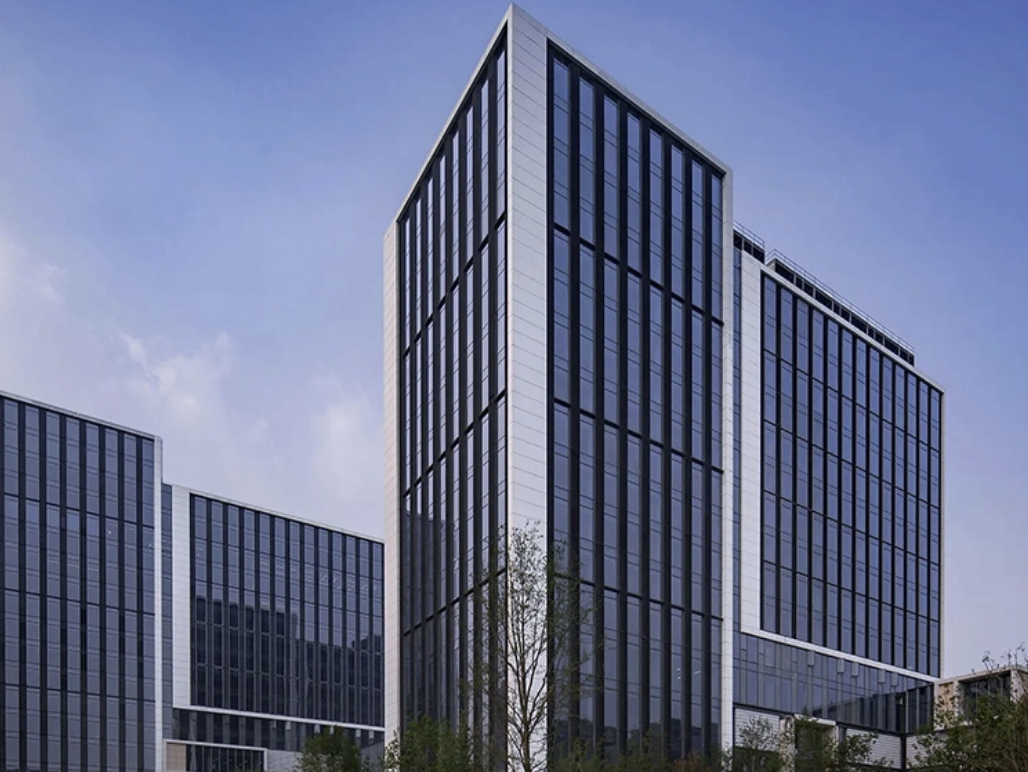
Core selection directly impacts long-term rigidity and thermal stability. Polyethylene (PE) cores offer basic structural support and are highly flexible. However, PE lacks thermal stability under extreme heat. When exposed to high temperatures, PE cores can soften, leading to panel deflection or bowing between fastening points. This continuous movement stresses the adhesive bond over time.
Fire-Retardant (FR) and mineral-filled (A2) cores provide superior dimensional stability. FR cores contain mineral compounds like magnesium hydroxide, which release water vapor when heated. A2 cores consist of up to 90% non-combustible inorganic minerals. The high density and mineral composition of FR and A2 cores significantly reduce internal gas expansion. This prevents core-skin separation under high thermal stress. Upgrading to advanced cores ensures compliance with evolving building codes while extending the physical panel life by minimizing thermal movement.
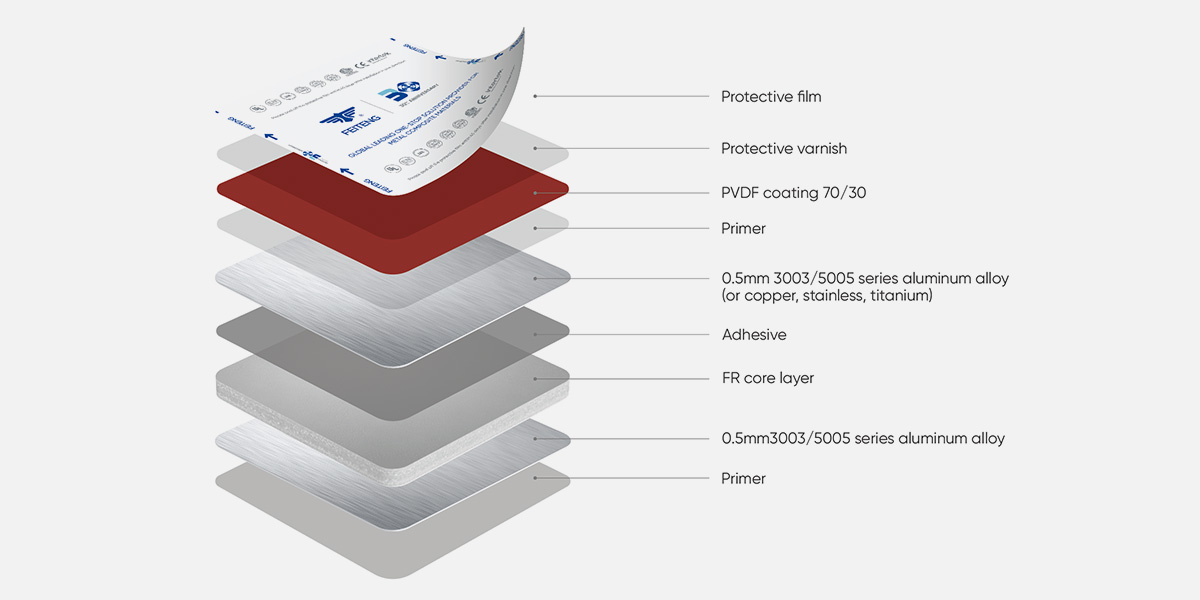
Coating chemistry dictates weathering resistance and aesthetic longevity. Polyvinylidene Fluoride (PVDF) and Fluoroethylene Vinyl Ether (FEVE) coatings vastly outperform standard Polyester (PE) finishes. PVDF systems, utilizing 70% Kynar 500 or Hylar 5000 resins, create an incredibly dense molecular structure. High-performance fluoropolymers resist UV radiation, chalking, and chemical weathering over decades. FEVE coatings offer similar durability but allow for higher gloss levels and a broader color spectrum.
Dry film thickness (DFT) and multi-coat systems matter just as much as the resin type. A standard 2-coat PVDF system includes a primer and a color coat, typically totaling 25 to 30 microns in thickness. A 3-coat or 4-coat system adds a clear topcoat and sometimes a barrier coat, pushing the DFT to 40 microns or more. This thicker barrier provides superior protection against environmental degradation, extending the finish life significantly in aggressive climates.
Coating Type | Resin Chemistry | Expected Aesthetic Lifespan | Best Application Environment |
|---|---|---|---|
Standard Polyester (PE) | Basic polymer resins | 5 - 10 Years | Interior applications, short-term exterior signage. |
PVDF (70% Resin) | Polyvinylidene Fluoride | 20 - 30+ Years | High-rise commercial facades, high UV exposure areas. |
FEVE | Fluoroethylene Vinyl Ether | 20 - 30+ Years | Projects requiring high gloss retention and bright colors. |
The thickness of the aluminum skins impacts dent resistance, wind load tolerance, and overall panel rigidity. Standard panels use 0.3mm or 0.4mm skins. Upgrading to a 0.5mm skin offers substantially more rigidity. Thicker skins prevent oil-canning—the visible waviness that occurs across flat metal surfaces under stress. Maintaining a perfectly flat facade over 20 years requires the structural stiffness provided by thicker aluminum layers.
Alloy selection is equally critical. Standard 1100 series aluminum is soft and prone to oxidation. Architectural applications demand marine-grade alloys, such as 3003 or 5005-series aluminum. The 3003 alloy includes manganese, increasing its tensile strength by 20% over the 1100 series. The 5005 alloy includes magnesium, offering superior corrosion resistance, especially in coastal environments. These specific alloys prevent oxidation from undermining the paint system at the panel edges.
Chemical pre-treatment forms the critical microscopic bond between the raw aluminum and the primer. Before coating, the aluminum coil must pass through a rigorous cleaning and conversion process. Non-chromate conversion coatings etch the aluminum surface, creating a porous layer that the primer can grip. This prevents moisture from penetrating the edges and undermining the paint system, a common cause of premature peeling.
Tension leveling during the continuous coil-coating process is vital for long-term flatness. As the aluminum coil moves through the baking ovens, it undergoes extreme thermal stress. Tension leveling machines stretch the metal slightly to remove internal material stresses. Unresolved tension can manifest as warping or bowing years after installation, as the panel attempts to return to its original coiled shape under the heat of the sun.

Extreme temperature fluctuations cause continuous thermal expansion and contraction. Aluminum has a high coefficient of thermal expansion. A 10-foot panel can expand by up to 1/8 inch during a hot summer day. This daily movement stresses the adhesive bond between the aluminum skin and the core. Over time, unmitigated thermal cycling leads to fatigue in the adhesive layer, increasing the risk of delamination.
High UV index environments accelerate pigment degradation. Continuous solar exposure breaks down the molecular bonds in standard polyester coatings. The UV energy destroys the resin binder, leaving the raw pigment exposed to the elements. This results in clear-coat failure, severe chalking, and rapid color fade. Fluoropolymer coatings resist this breakdown because the carbon-fluorine bond is one of the strongest in organic chemistry.
Coastal developments face constant salt-spray exposure. Airborne chlorides settle on the facade, drawing in moisture and creating a highly corrosive environment. Salinity accelerates oxidation at panel edges, weep holes, and fastener penetrations. If the aluminum alloy is not marine-grade, the salt will pit the metal and cause the paint to blister.
Edge-sealing and specialized protective primers are mandatory in high-humidity or marine environments. Installers must ensure that all cut edges are treated or concealed within the extrusion system to prevent salt-laden moisture from reaching the core material. Continuous exposure to coastal moisture will rapidly degrade inferior adhesive films.
Industrial particulate matter, sulfur dioxide, and nitrogen oxides attack building facades in urban environments. When these pollutants mix with rainwater, they form weak acids that settle on the cladding. These acids accelerate the chemical breakdown of low-grade coatings, etching the surface and destroying the gloss finish.
PVDF and FEVE finishes offer superior resistance against aggressive environmental chemicals compared to standard polyester. The dense surface of a fluoropolymer coating prevents pollutants from embedding into the paint film. This allows rain to wash away the dirt and chemical residue naturally, maintaining the aesthetic integrity of the facade in heavy industrial zones.
Continuous dynamic wind loads cause metal fatigue over the lifespan of the building. High-rise structures experience significant positive and negative wind pressures. These forces push and pull the cladding, transferring the stress directly to the fastening points. Over a 20-year period, this continuous flexing can weaken the panel.
Proper extrusion design distributes these loads to prevent tearing at the rivets. Route-and-return installation systems fold the edges of the panel to create a rigid cassette. This cassette is then mounted to the sub-framing using staggered clips. This engineering approach ensures the wind load is distributed evenly across the entire perimeter of the panel, rather than concentrated at a few screw heads.
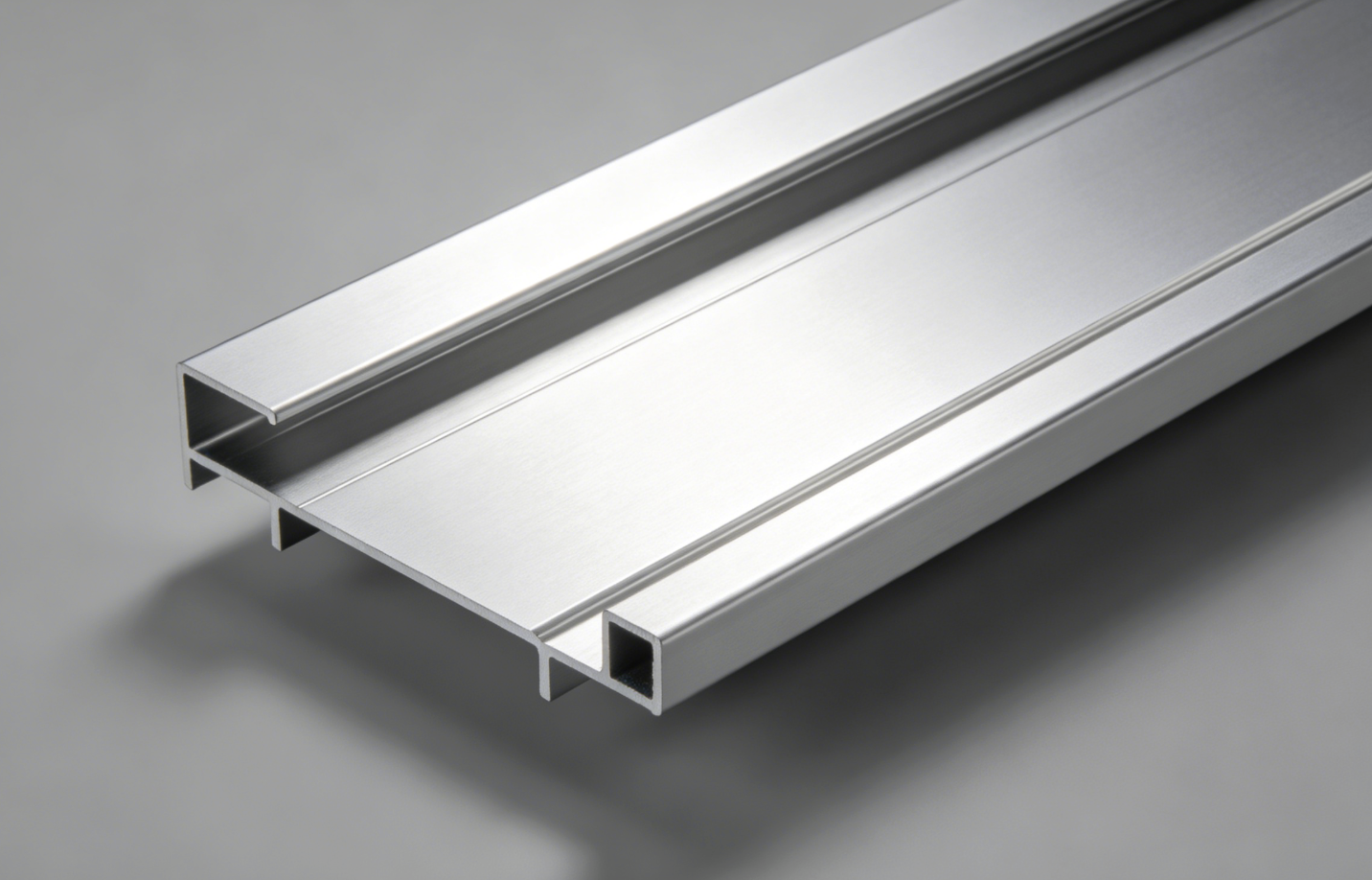
Wet-seal systems rely on exposed silicone sealants applied between the panel joints to block water infiltration. While initially effective, wet-seal systems create a completely sealed cavity behind the cladding. Trapped moisture from condensation cannot escape. This creates localized humidity pockets behind the panels. The constant dampness accelerates adhesive degradation, promotes mold growth on the weather barrier, and causes internal skin corrosion.
Rear-ventilated rainscreen systems utilize dry joints. Instead of sealing the gaps, these systems allow a calculated amount of water to enter the cavity. Continuous ventilation behind the cladding allows moisture to drain out through weep holes and evaporate via air circulation. This pressure-equalized approach dramatically extends the panel lifespan by preventing internal condensation accumulation and keeping the back of the panel dry.
Rigid fastening methods fail to accommodate thermal expansion. When installers drive screws directly through the face of the panel into the sub-framing, they lock the panel in place. As the panel heats up and attempts to expand, it has nowhere to go. This causes the panel to bow outward, oil-can, or tear the aluminum skin at the fastener locations.
Floating extrusion systems allow independent panel movement, preserving structural integrity. Installers must use sliding clips within the aluminum extrusions. These clips hold the panel securely against wind loads while allowing it to slide laterally as the temperature changes. Proper joint sizing is also required to ensure panels do not collide during maximum expansion.
Weatherproofing systems often fail long before the cladding itself. Silicone sealants and EPDM gaskets degrade from UV exposure, thermal movement, and environmental pollutants. When a sealant joint fails, water bypasses the primary defense line. In a wet-seal system, this leads to immediate water damage within the wall cavity.
Scheduled joint inspections and specifying high-movement, UV-resistant sealants mitigate this risk. Contractors must use neutral-curing silicone sealants designed specifically for metal architecture. These sealants offer high elasticity and will not bleed oils into the panel finish, preventing the dark, dirt-attracting streaks commonly seen on older facades.
Dissimilar metal corrosion occurs when aluminum contacts carbon steel, copper, or brass in the presence of moisture. Aluminum is highly anodic compared to these metals. When an electrolyte like rainwater connects them, a galvanic cell forms. This reaction rapidly destroys the aluminum skin, turning it into white powder and compromising the structural mounting points.
Installers must use strict isolation techniques during construction. Aluminum panels must never be mounted directly to raw steel studs. Contractors must use shim tapes, dielectric separators, or heavy coats of bituminous paint to break the electrical connection. All fasteners must be high-grade stainless steel (304 or 316 series) or coated with specialized anti-corrosion finishes.
Adhesive failure between the core and the metal skin causes delamination. This is the most catastrophic failure mode for composite cladding. It typically results from poor manufacturing quality control, specifically inadequate peel strength during the lamination process. If the polymer adhesive film is not heated to the exact melting point, it will not bond properly to the aluminum.
Extreme, unmitigated thermal stress can also shear the adhesive bond over time. Dark-colored panels absorb more solar radiation, reaching surface temperatures exceeding 180°F (82°C). If the panel is rigidly fastened and cannot expand, the stress transfers directly to the core-skin interface. Eventually, the skin separates, leading to bubbling, rippling, and total panel failure.
Regular cleaning removes corrosive pollutants, dirt, and salt deposits. Facility managers should schedule facade cleaning at least once a year, or twice a year in heavy industrial or coastal zones. Avoid highly alkaline or abrasive cleaners that strip protective coatings. Harsh chemicals will etch the clear coat and accelerate chalking.
Use mild, pH-neutral detergents and soft bristle brushes. Pressure washing requires strict PSI limits. Keep the equipment under 1000 PSI. Excessive pressure can damage panel joints, displace silicone sealants, or force water behind the cladding system. Keep spray nozzles at a safe distance of at least 12 inches from the surface and use a wide-angle fan tip.
Facility managers must conduct annual facade inspections to catch minor issues before they escalate into structural failures. Documenting these inspections ensures warranty compliance and extends the functional life of the building envelope. Follow a strict visual and physical inspection routine.
Inspect all weep holes and drainage channels at the base of the wall to ensure they are clear of debris and insect nests.
Examine panel edges and routed corners for signs of micro-cracking, paint lifting, or core exposure.
Test sealant adhesion by gently pressing on the silicone joints to identify hardening, splitting, or loss of bond to the metal.
Check all visible fasteners and clips for signs of rust, backing out, or galvanic corrosion.
Assess the surface finish for uneven fading, chalking residue, or localized blistering.
Maximizing the aluminum composite panel lifespan requires more than selecting a high-quality product. Long-term performance depends on choosing the appropriate coating system, core material, aluminum alloy, and installation method while considering environmental conditions, maintenance requirements, and local building codes. Careful material selection and proper installation can significantly extend the service life of ACP panels while reducing maintenance costs and protecting the appearance of commercial buildings.
About Feiteng
Feiteng is a professional manufacturer of aluminum composite panels for architectural facades, interior decoration, and signage applications. Combining advanced production technology, strict quality management, and flexible OEM/ODM services, Feiteng provides durable ACP solutions with excellent weather resistance, reliable structural performance, and long-lasting aesthetic value for construction projects worldwide.
Select ACP panels with coating systems and core materials that match your project's environmental conditions.
Verify aluminum alloy grades, coating specifications, and fire ratings before procurement.
Ensure proper installation methods and thermal expansion allowances to prevent premature panel failure.
Perform routine inspections and scheduled maintenance to preserve long-term appearance and structural integrity.
Before selecting aluminum composite panels, evaluate coating technology, core composition, aluminum alloy quality, manufacturing standards, installation systems, and supplier expertise to ensure reliable long-term performance and maximum return on investment.
A: High-performance PVDF or FEVE finishes typically last 20 to 30 years before significant fading or chalking occurs. Standard polyester finishes may begin degrading within 5 to 10 years depending on UV exposure and environmental conditions.
A: Aluminum does not rust like steel, but it can oxidize or corrode. Galvanic corrosion occurs if the panel contacts dissimilar metals. Coastal salinity can also cause pitting if the edges are not properly sealed and marine-grade alloys are not used.
A: Delamination is primarily caused by poor manufacturing quality, specifically weak adhesive bonds between the skin and core. Extreme thermal cycling, rigid installation methods, and trapped moisture can also shear this bond over time.
A: Coastal environments expose panels to high salinity and moisture, accelerating oxidation and coating degradation. Specifying marine-grade alloys, edge-sealing, and high-build PVDF coatings is necessary to maintain the lifespan in these areas.
A: Yes, thicker aluminum skins (0.5mm versus 0.3mm) provide significantly higher dent resistance, better wind load tolerance, and increased overall panel rigidity. Thicker skins prevent oil-canning and maintain a flat facade under stress.
A: Panels should be cleaned annually using mild detergents and low-pressure water. Annual inspections should also verify sealant integrity, check for galvanic corrosion, and ensure weep holes remain clear for proper drainage.


