
- All
- Product Name
- Product Keyword
- Product Model
- Product Summary
- Product Description
- Multi Field Search


Views: 0 Author: Site Editor Publish Time: 2026-07-24 Origin: Site


The selection of architectural cladding carries high-stakes implications for project safety, aesthetic longevity, and overall budget adherence. While the global market is saturated with suppliers, the variance in core material integrity, coating application, and fire compliance creates severe liability and performance risks. Delamination, failed inspections, and premature fading routinely compromise structural integrity and project timelines. To mitigate supply chain risks and ensure structural compliance, procurement teams and architects must move beyond marketing claims. This guide provides a rigorous, evidence-based framework for vetting and selecting a reliable aluminum composite panel manufacturer. We break down material specifications, technical evaluation criteria, and facility auditing processes. You need actionable data to verify product integrity before committing to large-scale orders.
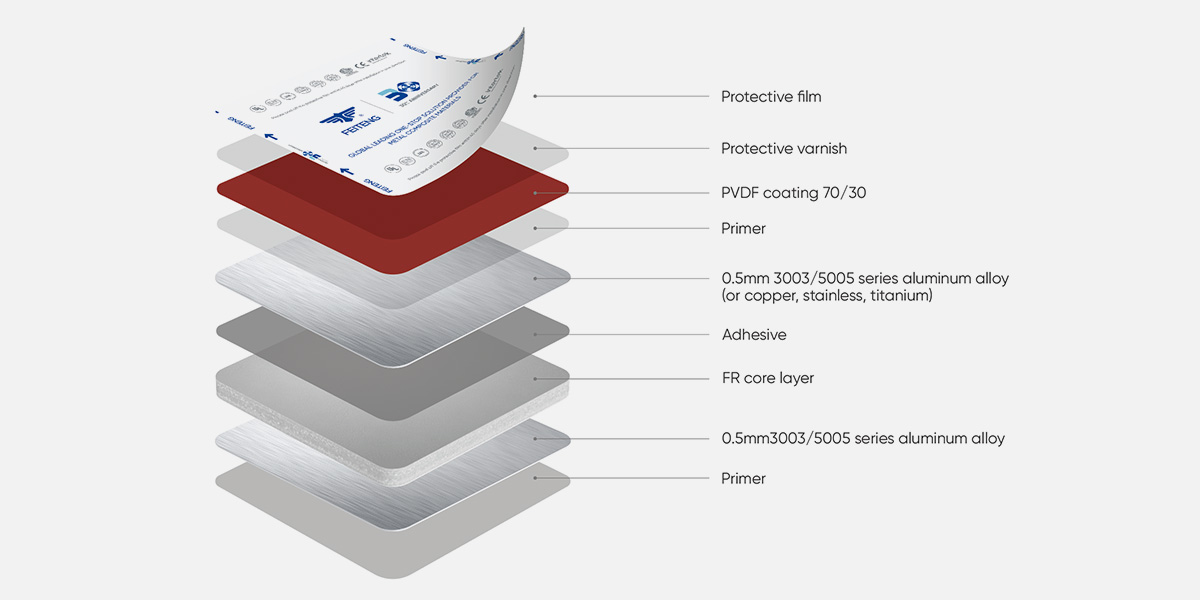
Prioritize Core Compliance: Selection must begin with strict adherence to fire safety standards, distinguishing clearly between combustible Polyethylene (PE) and fire-retardant (FR/A2) cores based on building codes.
Demand Verifiable Quality Control: High-quality panels require documented testing for peel strength (adhesion), alloy grade, and coating consistency (PVDF) to prevent bubbling and delamination.
Evaluate Production Scalability: A manufacturer’s value is dictated by their production capacity, lead-time reliability, and in-house testing facilities, not just unit pricing.
Require Third-Party Certification: Authentic manufacturers provide transparent, verifiable third-party lab reports (ASTM, EN, ISO) for every batch, mitigating liability for contractors and developers.
Table of Contents
Establishing exact project specifications filters out incompatible suppliers early in the procurement cycle. You must know precisely what your project demands before evaluating any aluminum composite panel supplier. Vague specifications lead to substituted materials and compromised building envelopes.
Analyze the trade-offs between choosing an aluminum composite panel and alternative cladding systems like phenolic panels (HPL) or solid aluminum sheets. You must evaluate durability, ease of fabrication, structural weight limitations, and impact resistance across materials. Define the specific architectural use cases where ACM remains the optimal engineering choice, particularly when lightweight rigidity is required for complex facade geometries.
Material Type | Weight & Structural Load | Fabrication Flexibility | Fire Performance Potential | Primary Application |
|---|---|---|---|---|
Aluminum Composite Panel (ACM) | Lightweight, low dead load | High (easy to route, fold, and curve) | Excellent with FR/A2 mineral cores | High-rise facades, complex architectural features, canopies |
Solid Aluminum Sheet | Heavy, requires robust sub-framing | Moderate (harder to fold without specialized equipment) | Non-combustible by nature | High-impact zones, ground-level cladding, industrial facilities |
Phenolic Panels (HPL) | Moderate to heavy | Low (rigid, cannot be curved easily) | Varies, often requires specific fire-rated grades | Wood-look facades, rainscreen systems, interior wall linings |
Define the application to determine the necessary core material. Exterior cladding requires different specifications than interior signage. Detail the regulatory requirements for fire performance in your region. Establish the baseline acceptability of Polyethylene (PE) for low-risk signage versus Fire-Retardant (FR) and non-combustible (A2) cores for high-rise architectural applications. Using a PE core on a high-rise building violates modern building codes and introduces catastrophic fire risks. FR cores contain mineral charges that release water vapor when heated, suppressing flame spread. A2 cores consist of over 90% inorganic materials, offering the highest level of fire resistance available for composite panels.
Compare Polyvinylidene Fluoride (PVDF) for exterior weatherability and UV resistance against Polyester (PE) coatings for interior use. PVDF resin structures resist chalking and fading under harsh ultraviolet exposure, making them mandatory for exterior architectural applications. Determine requirements for specialized finishes, such as wood grain, brushed metal, or nano-self-cleaning surfaces, based on the project's aesthetic and maintenance goals. Nano-coatings add a hydrophilic layer that allows rain to wash away dirt, reducing long-term maintenance cycles on inaccessible high-rise facades.
Specify the required panel thickness, typically 3mm, 4mm, or 6mm, depending on the application. A 4mm panel is the industry standard for exterior commercial cladding. Define the required aluminum skin thickness, usually ranging from 0.3mm to 0.5mm, based on wind load calculations and fabrication demands. Thinner skins (0.21mm or lower) will oil-can and warp under thermal expansion or wind pressure. Always engineer the skin thickness to the specific environmental loads of the building site.

Before committing to a bulk order, you must scientifically assess the physical product. This evaluation separates reliable suppliers from those cutting corners. Do not rely on visual inspections alone; physical and chemical testing is mandatory.
Identify the specific aluminum alloy series used, such as 1100, 3003, or 5005, and evaluate its impact on tensile strength and rust resistance. The 3003 series includes manganese, offering higher tensile strength than the commercial 1100 series. The 5005 series includes magnesium, providing superior corrosion resistance in marine environments. Verify that the stated skin thickness matches the actual delivered product using micrometer testing. Avoid manufacturers who use thicker paint layers to mask thinner aluminum skins.
Obtain a physical sample from the manufacturer.
Use a chemical solvent (like MEK) to strip the paint and primer from a small section of the aluminum skin.
Use a calibrated digital micrometer to measure the bare aluminum thickness.
Compare the bare metal measurement against the manufacturer's technical data sheet. Reject any batch that falls below the specified tolerance (typically +/- 0.02mm).
The macromolecular adhesive film binding the aluminum to the core plays a critical role in panel longevity. Outline how to evaluate peel strength test reports to ensure the panel will withstand temperature fluctuations without delaminating over time. Poor adhesion leads to bubbling and separation of the metal skin from the core when exposed to solar heat gain. Standard peel strength for a high-quality architectural panel should exceed 7 N/mm. Request independent lab reports verifying these metrics under both standard and boiling water conditions.
Detail the visual and tactile inspection process for the panel surface. Establish strict rejection criteria, including the presence of ripples, bubbling, splashing, scratches, or uneven gloss levels. Verify the T-bend test results to confirm coating flexibility during fabrication processes like routing and folding. A proper PVDF coating should withstand a 2T bend without cracking or flaking. If the paint fractures during a simple 90-degree fold, the panel is useless for cassette fabrication.
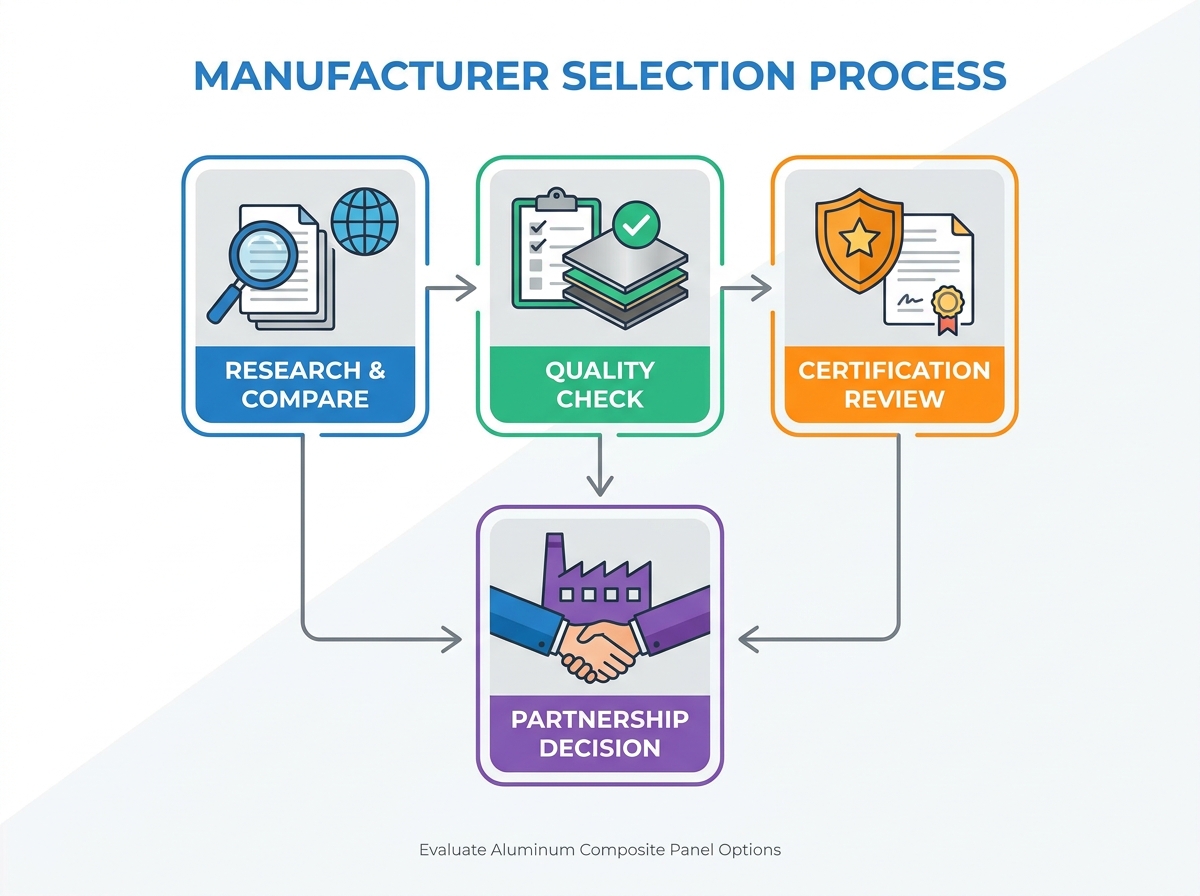
Identifying who actually manufactures the panels protects your margins and ensures quality control throughout the production process. Trading companies often mask their identity, presenting themselves as direct manufacturers while outsourcing production to the lowest bidder.
Use techniques to distinguish between a primary manufacturer and a third-party exporter or trading company. Analyze the impact of the purchasing channel structure on pricing transparency, lead-time control, and engineering liability. Direct factories hold the ISO certificates in their own name, matching the factory address. Trading companies often provide certificates with mismatched names or addresses. Buying direct ensures you have a direct line to the technical engineers responsible for your batch, rather than passing messages through a sales middleman.
Look for key indicators of a legitimate factory during audits. These include production line machinery, raw material coil stock volume, and on-site laboratory equipment used for quality testing. A genuine manufacturer will have massive rolls of raw aluminum coil and silos of core material visible. They will also have a dedicated testing room. If conducting a virtual tour, ask the representative to walk from the office directly onto the factory floor to prove proximity and ownership.
Ensuring the supplier can meet project timelines without compromising quality requires a deep dive into their operational capabilities. A supplier with a single production line cannot handle a massive commercial high-rise project without causing severe delays.
Evaluate the number of active production lines and their daily output capacity. Assess historical data on lead time adherence and the manufacturer's ability to handle surge orders or phased project deliveries effectively. A standard continuous lamination line can produce roughly 3,000 to 5,000 square meters per day. Calculate your project's total square meterage against their stated capacity, factoring in their existing obligations to other clients.
Investigate the internal QC infrastructure. Look for dedicated testing labs that measure color matching using a spectrophotometer, impact resistance, boiling water resistance, and acid/alkali resistance on every batch produced. The factory must pull samples from the line at regular intervals (e.g., every 1,000 meters) and subject them to destructive testing. Ask for the QC logs from a recent production run to verify they actually perform these tests rather than just owning the equipment for show.
Assess capabilities for custom color matching using RAL or Pantone systems and note the minimum order quantities required. Determine if pre-fabrication services, such as cutting, grooving, and folding, are offered to reduce on-site labor costs. Custom color matching requires sophisticated paint mixing and application technology. The manufacturer should provide a physical draw-down sample of the custom color on the actual aluminum substrate for your approval before mass production begins.
Evaluate the technical support provided, including wind-load calculations, structural engineering support, and joint detail design. Assess the availability of detailed, system-specific installation manuals to ensure field compliance and protect product warranty validation. Whether you are using a wet-seal system with silicone joints or a dry-joint rainscreen system, the manufacturer must provide approved extrusion profiles and fastening schedules. Improper installation voids the warranty, so factory-backed engineering support is non-negotiable.
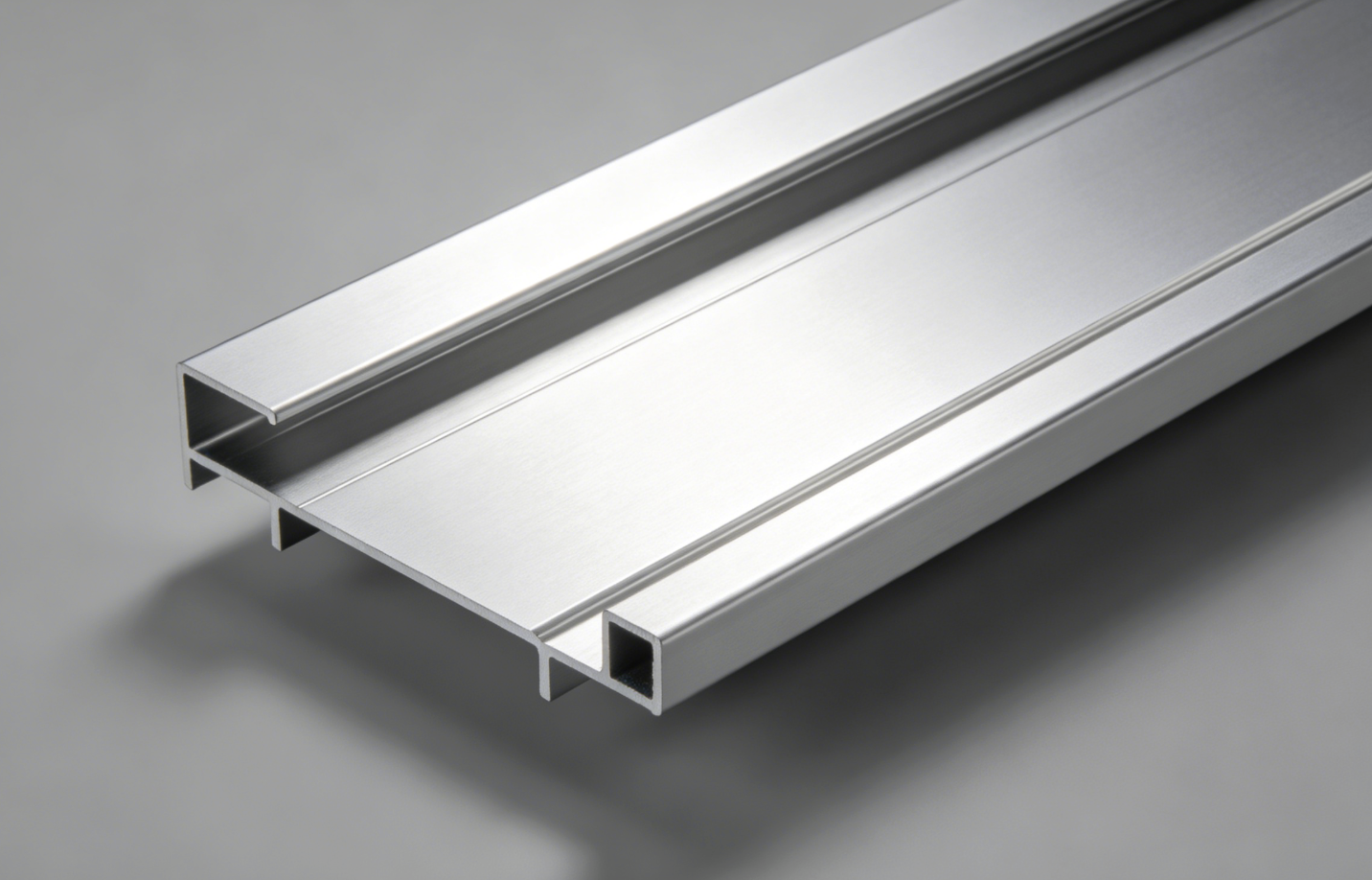
Validating claims through recognized global standards is essential for mitigating legal and structural risks. Uncertified panels expose developers to massive liability, failed building inspections, and forced tear-downs.
Require documentation proving compliance with regional building codes, such as ASTM E84/E119 in the US, EN 13501-1 in Europe, or BS 476 in the UK. Cross-reference certificates with issuing bodies like SGS, Intertek, or UL to prevent document forgery. Do not accept a generic "fire-rated" claim. You need the specific test report showing the flame spread index and smoke developed index. Contact the testing laboratory directly with the report number to verify its authenticity.
Verify ISO 9001 for Quality Management and ISO 14001 for Environmental Management. Assess sustainability practices, including the recyclability of scrap materials and VOC emissions from the coating process. Modern architectural projects often require LEED certification or similar green building standards. The manufacturer must provide documentation on the recycled content of their aluminum and the environmental controls on their paint line exhaust systems.
Moving beyond the initial material quote helps you understand the long-term viability of your material choice. A cheap panel with a worthless warranty will cost you exponentially more in replacement labor down the line.
Analyze the fine print of 10, 15, or 20-year warranties. Identify exactly what is covered, such as color fading, chalking, or delamination, and understand the pro-rated terms of the guarantee. A standard PVDF warranty covers fading beyond a specific Delta-E value (usually 5 units) over 20 years. Ensure the warranty covers the cost of replacement material, not just a refund of the original purchase amount, which does nothing to cover the massive labor costs of re-cladding a building.
Evaluate packaging protocols, including wooden pallets, protective films, and edge protection, to prevent transit damage. Factor in freight logistics, customs clearance, and defect replacement policies into the overall procurement strategy. Panels must be packed flat on reinforced wooden pallets, wrapped in waterproof membranes, and banded securely. The protective peel-off film on the panels must be UV-resistant so it does not bake onto the metal if stored outside on the job site for several weeks.
Understanding common pitfalls in the procurement process allows you to bypass them and secure high-quality materials. Field experience reveals several recurring issues when dealing with unverified suppliers.
Address the risk of color variation across different production runs. Metallic finishes are particularly susceptible to batch-to-batch variation due to the orientation of the metallic flakes in the paint. Mandate that all panels for a single elevation are produced in the same batch and request master sample retention for comparison. If you must order in phases, require the manufacturer to paint all the aluminum coil for the entire project at once and store it, laminating the panels as needed.
Highlight the industry issue of suppliers substituting FR cores with standard PE cores to cut costs. Require independent, third-party batch testing and perform on-site core combustion checks to verify material integrity. You can perform a basic field test by holding a propane torch to an off-cut of the panel. A PE core will melt, drip, and sustain a flame. A true FR core will char, release white smoke (water vapor), and self-extinguish when the torch is removed.
Identify warning signs such as evasive answers regarding raw material sourcing. A reputable manufacturer will proudly state if they use PPG or Beckers paint. Prioritize manufacturers who offer transparent facility audits and direct access to technical engineers. If your primary contact cannot answer basic questions about alloy tempers or adhesive film thickness without checking with "the factory," you are dealing with a broker, not a manufacturer.
Choosing the right aluminum composite panel manufacturer is about more than comparing product prices. A dependable supplier should provide certified fire-rated materials, consistent manufacturing quality, reliable production capacity, and professional technical support throughout your project. By carefully evaluating factory capabilities, quality control systems, certifications, and engineering expertise, you can reduce procurement risks while ensuring long-term performance and regulatory compliance.
About Feiteng
Feiteng is a trusted aluminum composite panel manufacturer specializing in architectural cladding, signage, and decorative building materials. With advanced production facilities, strict quality management, certified manufacturing processes, and flexible OEM/ODM services, Feiteng delivers reliable ACP solutions that combine excellent durability, fire safety, precision fabrication, and long-term performance for projects worldwide.
Define your project specifications, fire requirements, and panel performance expectations before requesting quotations.
Verify factory certifications, production capacity, quality control procedures, and third-party testing reports before placing bulk orders.
Request physical samples and evaluate coating quality, aluminum skin thickness, and core materials before approving production.
Build long-term partnerships with manufacturers that provide stable supply, technical support, and consistent product quality.
Before selecting an aluminum composite panel manufacturer, evaluate their engineering capabilities, production capacity, fire compliance, quality assurance systems, OEM/ODM services, and ability to deliver reliable ACP solutions that support your project's long-term success.
A: PE (Polyethylene) cores are combustible and typically used for signage or low-rise buildings. FR (Fire-Retardant) cores contain mineral charges that resist ignition, suitable for mid-rise structures. A2 cores are non-combustible, offering the highest fire safety rating required for high-rise architectural cladding.
A: You must use a calibrated micrometer to measure the bare aluminum after chemically stripping the paint and adhesive layers. Do not rely on overall panel thickness measurements, as thick paint can mask thin metal.
A: PVDF (Polyvinylidene Fluoride) coatings offer superior resistance to UV radiation, weathering, and chalking compared to Polyester (PE) coatings, ensuring color retention and durability for decades in outdoor environments.
A: Request T-peel strength test reports from an independent laboratory. High peel strength indicates a strong macromolecular adhesive bond between the aluminum skin and the core, preventing delamination under thermal stress.
A: Verify the presence of active production lines, substantial raw material inventory (aluminum coils and core materials), and a functional in-house testing laboratory equipped with spectrophotometers and tensile testing machines.
A: Specify that all panels for a single continuous elevation must be manufactured in a single production batch. Request and retain a master physical sample signed by the manufacturer for visual comparison upon delivery.


