
- All
- Product Name
- Product Keyword
- Product Model
- Product Summary
- Product Description
- Multi Field Search


Views: 0 Author: Site Editor Publish Time: 2026-02-28 Origin: Site


Aluminum composite panel installation requires careful planning and accurate execution. In this guide on how to install aluminum composite panel systems, we cover sub-frame preparation, measuring, cutting, grooving, fixing, and sealing. You will learn practical methods for proper aluminum composite panel sheet installation, including expansion gaps and secure fastening. Whether for façade cladding or exterior renovation, these steps help you achieve safe and long-lasting results.
When preparing for how to install aluminum composite panel systems, the right tools improve precision, safety, and installation quality. Each tool supports a specific stage of ACP sheet installation.
| Tool | Purpose | Key Points |
|---|---|---|
| Measuring Tape & Spirit Level | Layout marking and alignment checking | Mark panel positions; verify sub-frame spacing; check plumb and level; confirm expansion gaps |
| Circular Saw / Panel Saw | Straight cutting of ACP sheets | Use aluminum cutting blades; fully support sheets; avoid stacking too many panels; cut steadily to reduce chipping |
| CNC Machine (Optional) | High-precision cutting and grooving | Ideal for complex designs; ensures uniform groove depth; improves repeat accuracy for tray panels |
| Router (V-Grooving Machine) | Grooving for panel folding | Use V-shaped bits; control groove depth; keep outer aluminum skin intact; maintain steady movement |
| Drilling Machine | Preparing fixing holes | Drill slightly oversized holes; use sharp metal bits; remove burrs; align holes evenly |
| Rivet Gun / Screw Gun | Securing panels to sub-frame | Use corrosion-resistant fasteners; maintain consistent spacing; avoid over-tightening; keep alignment clean |
| Clamps | Stabilizing panels during fabrication | Prevent vibration; hold templates securely; improve cutting accuracy; enhance safety |
| Bending Tools / Folding Table | Forming tray or cassette panels | Use professional folding equipment; keep bends straight; avoid hammering; reinforce corners when required |
| Safety Equipment | Worker protection | Wear cut-resistant gloves; use safety goggles; apply hearing protection; use dust masks during routing |
Using proper tools ensures smoother ACP paneling work and more reliable installation results.
Selecting proper materials is essential when learning how to install aluminum composite panel systems. Each component supports strength, durability, and long-term façade performance.
| Material | Description | Key Points |
|---|---|---|
| ACP Sheets | Main cladding surface material | Two aluminum skins bonded to PE or FR core; protective film shows direction; common thickness 3–6 mm; store flat in dry area |
| Aluminum or Galvanized Steel Sub-Frame | Structural support framework | Aluminum offers corrosion resistance; galvanized steel provides higher strength; spacing follows engineering load design |
| Rivets / Self-Drilling Screws | Mechanical fasteners for panel fixing | Use stainless or coated types; maintain uniform spacing; ensure compatibility with ACP and frame materials |
| Cleats and Brackets | Support elements for concealed systems | Hold tray panels securely; allow thermal movement; simplify removal; maintain ventilation gap |
| Flashings and Corner Trims | Edge and joint protection components | Installed at openings, roof joints, and corners; improve waterproofing; enhance finish appearance |
| Sealants (Neutral Cure Silicone) | Joint sealing material | Use neutral cure only; avoid acidic products; apply evenly; follow curing guidelines |
| Expansion Joint Accessories | Movement control components | Allow thermal expansion; prevent stress buildup; maintain joint alignment; reduce cracking risk |
Proper material selection directly affects the safety and durability of ACP paneling work.
Before starting aluminum composite panel installation, the position and size of each panel must be accurately determined. The layout should be based on curtain wall construction drawings, architectural drawings, structural drawings, and detailed grid drawings. Using the elevation control points provided by the civil engineering unit, installers should accurately mark the entry and exit reference lines as well as the main axis positions. This layout work ensures that the aluminum composite panel curtain wall system aligns correctly with the building structure.
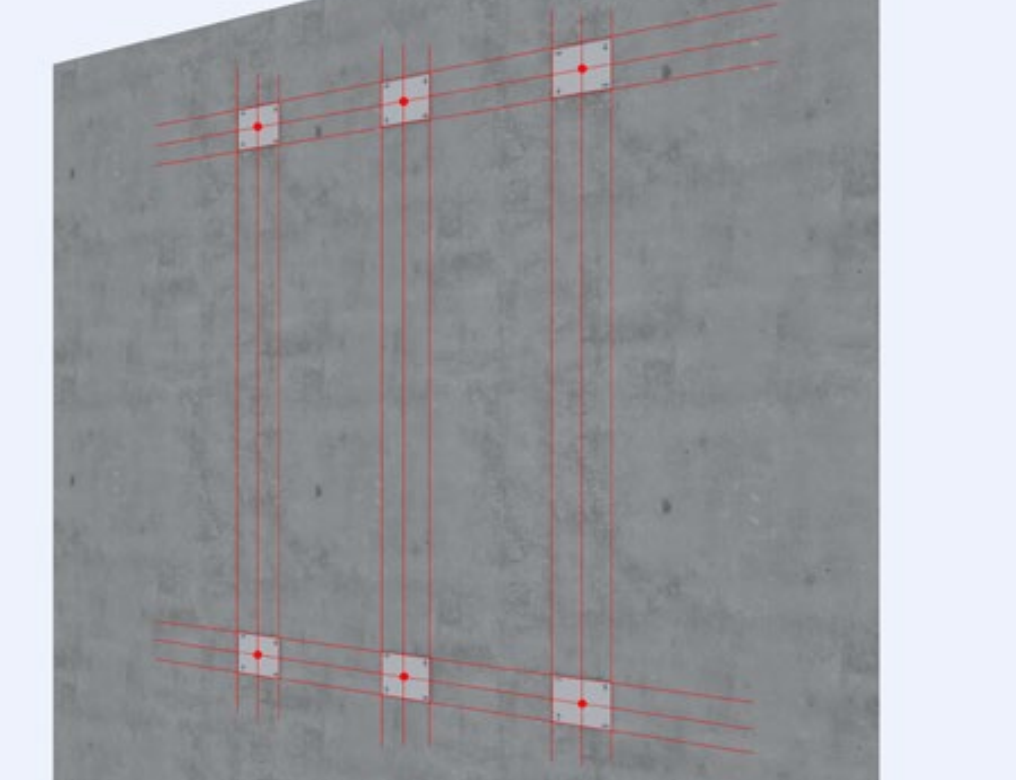
During ACP panel installation, steel connectors should be installed according to the centerline and grid lines established during the layout process. These connectors form the structural link between the building and the curtain wall frame.
The installation sequence typically follows these steps:
Temporarily fix the steel connectors with spot welding.
Check the alignment and confirm that the connectors meet the design requirements.
Perform full welding to securely fix the steel connectors in place.
To maintain structural accuracy during aluminum composite panel curtain wall installation, the vertical and horizontal deviation of the steel connectors should be controlled within 2–3 mm.
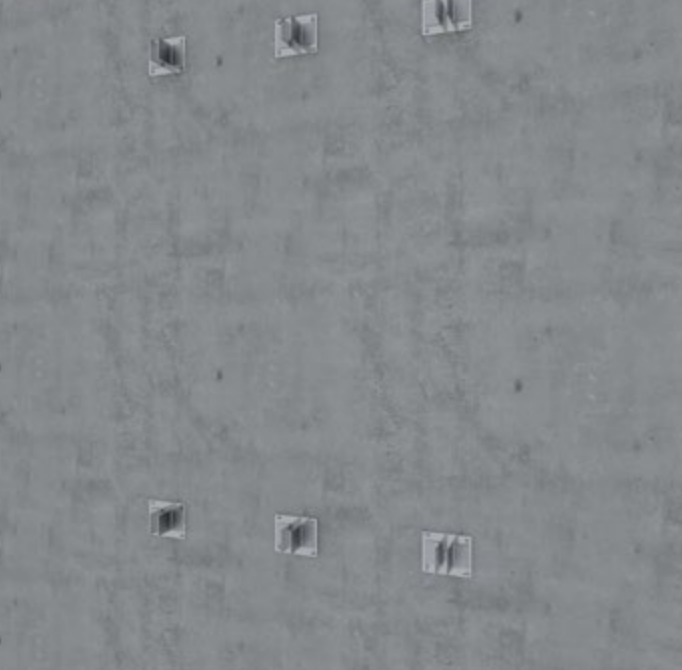
Columns are key structural members in the ACP curtain wall system. During installation, the column should be positioned between the two adapters of the fixed support.
The column should be secured using stainless steel tension bolts, following the required installation elevation specified in the design drawings.
To ensure proper alignment during ACP panel installation, the axis deviation of the column should meet the following requirements:
Front and back axis deviation: not more than 2 mm
Left and right axis deviation: not more than 3 mm
Maintaining these tolerances ensures a stable structural framework for the aluminum composite panels.
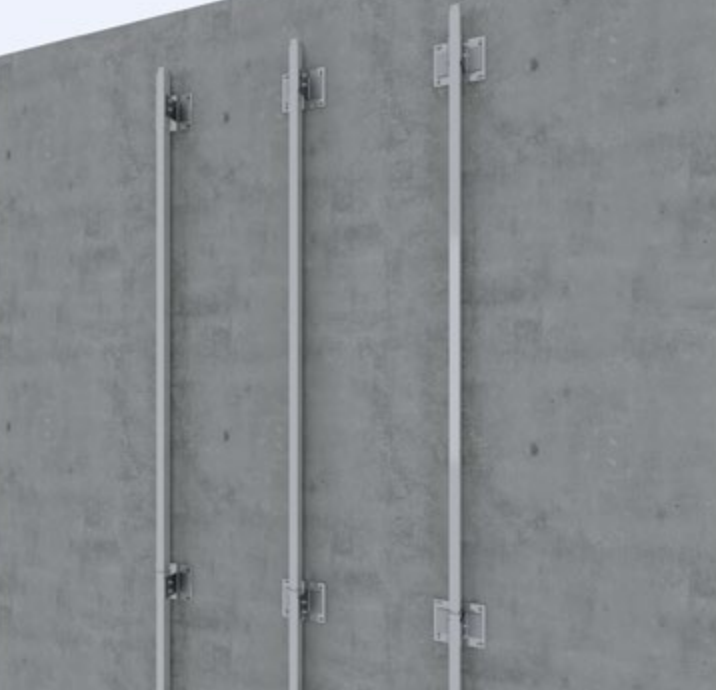
Before installing the crossbeam, connectors and elastic rubber pads should be installed at both ends of the beam at the predetermined positions on the column. These components help absorb structural movement and improve installation stability.
The crossbeam must be firmly installed with tight joints between structural elements. Alignment tolerances should meet the following requirements:
Horizontal elevation deviation between adjacent crossbeams: not more than 1 mm
For the same floor level:
When the curtain wall width is ≤ 35 m, the elevation deviation should not exceed 5 mm
When the curtain wall width is > 35 m, the elevation deviation should not exceed 7 mm
Proper crossbeam alignment ensures the aluminum composite panel curtain wall frame remains stable and evenly aligned.
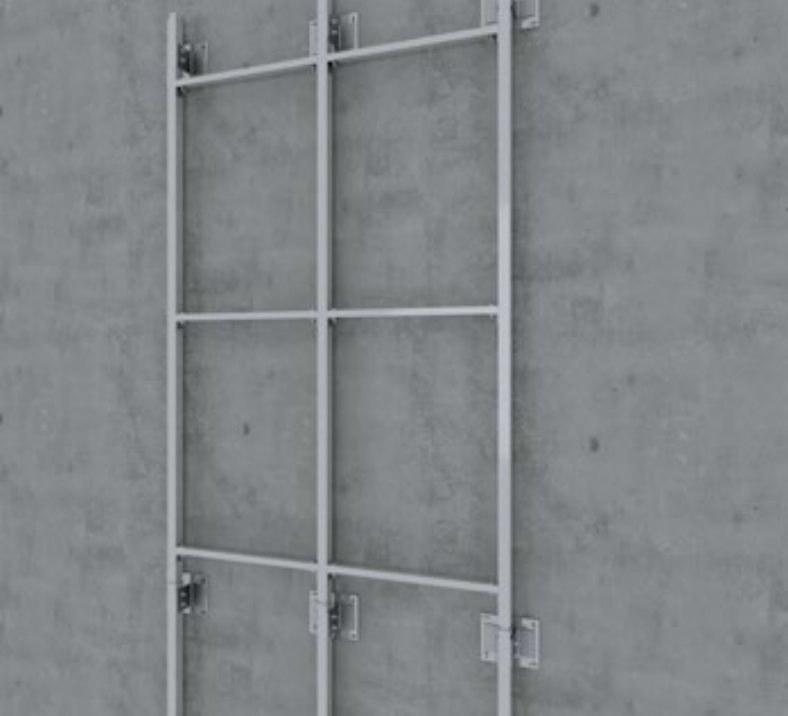
After the curtain wall frame structure is completed, the aluminum composite panels can be installed onto the frame according to the design requirements. Panels should be installed sequentially and securely fixed to the supporting structure.
During ACP panel installation, installers must carefully monitor:
The flatness of the metal composite panels
The vertical alignment of the panels
The correct connection method between the panel and frame
Proper joint sealing and waterproof treatment
Ensuring proper panel alignment and sealing improves both the appearance and durability of the aluminum composite panel curtain wall system.
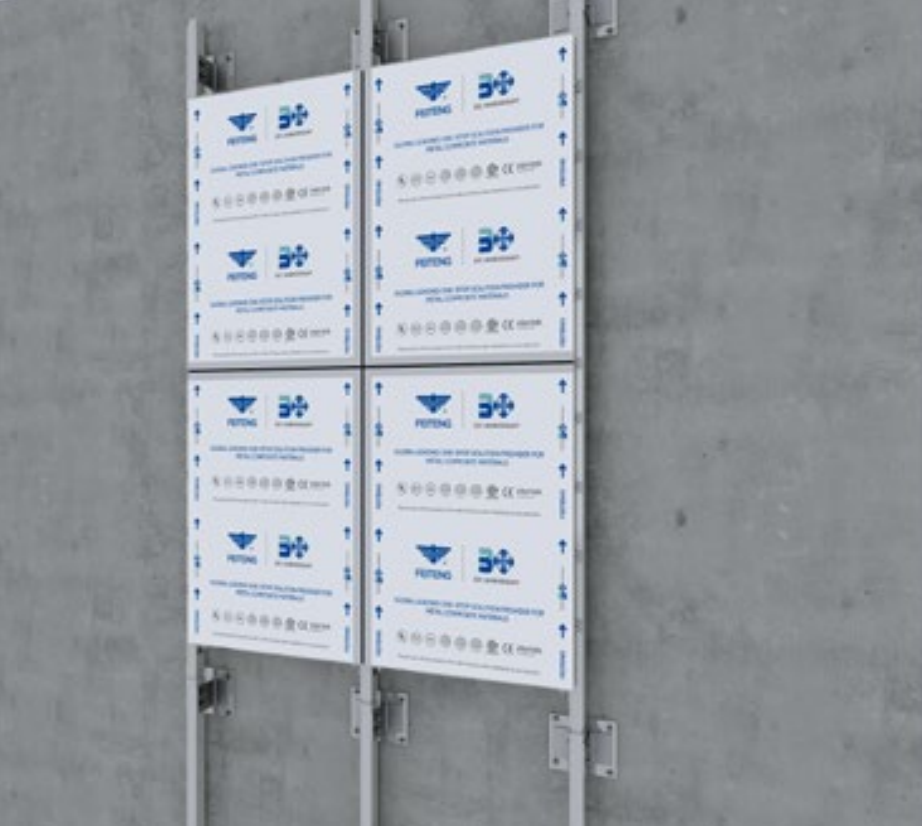
A: No. Aluminum composite panels should not be fixed directly onto bare walls. A properly aligned sub-frame is required to ensure ventilation, structural stability, and precise leveling. Direct fixing may cause uneven surfaces, poor drainage, and restricted thermal movement.
A: Aluminum sub-frames are preferred due to corrosion resistance and lightweight performance. Galvanized steel frames are also used for heavy-duty or high-wind areas. The choice depends on project load requirements and environmental exposure.
A: Most installations require 5–10 mm expansion gaps. The exact spacing depends on panel size, temperature range, and local climate conditions. Proper allowance prevents buckling and surface distortion.
A: No. Clean, precise bending requires V-grooving. Without grooving, the panel may crack, deform, or damage the outer aluminum layer. Proper routing ensures controlled 90-degree folds.
Successful aluminum composite panel installation depends on precision at every stage, from layout marking to final sealing. When panels are measured correctly, fixed with proper gaps, and supported by a stable sub-frame, the façade performs reliably over time.
Zhangjiagang Feiteng New Composite Materials Co., Ltd. supplies high-quality aluminum composite panel products designed for consistent fabrication and dependable installation performance.


