
- All
- Product Name
- Product Keyword
- Product Model
- Product Summary
- Product Description
- Multi Field Search


Views: 0 Author: Site Editor Publish Time: 2026-02-28 Origin: Site


When people ask what are aluminum composite panels used for, the answer covers far more than just building facades. Aluminum composite panels (ACP) are used in exterior architecture, interior design, signage, retail displays, and even industrial facilities. They combine lightweight structure, durability, insulation performance, and design flexibility. Because of that, they fit into both functional and decorative roles across many industries.
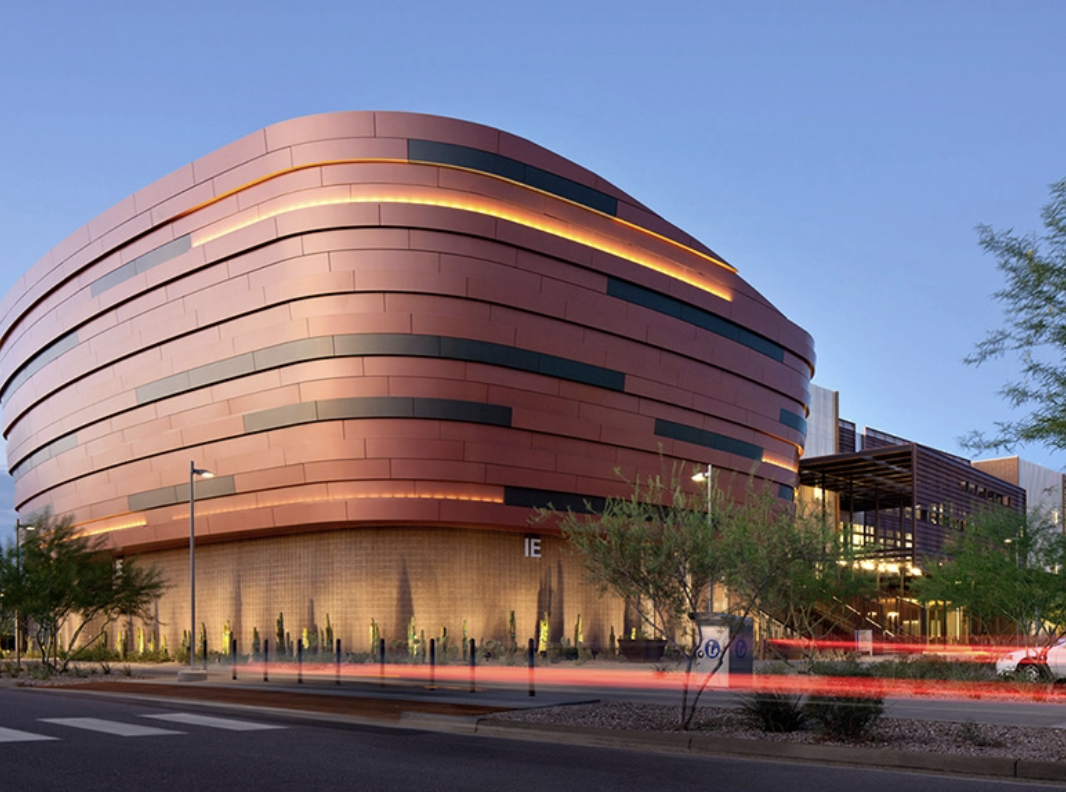
Building grade aluminum composite panels are primarily used in architectural construction. They provide a durable exterior surface while maintaining a lightweight structure, making them suitable for both exterior and interior building applications.
One of the most common uses of building grade ACP is facade cladding for commercial buildings, office towers, residential complexes, and shopping centers. ACP provides a protective outer layer that improves the building’s appearance while reducing structural load. ACP panels are also frequently used in ventilated facade systems. The ventilation cavity between the wall and the panel allows airflow, helping remove moisture and reduce heat transfer. This contributes to improved thermal insulation and better building energy efficiency.
Aluminum composite panels are widely integrated into curtain wall systems as non-structural exterior panels. The building structure supports the load, while ACP panels serve as protective and decorative outer surfaces. Architects prefer ACP because it is easy to fabricate into flat panels, geometric patterns, or curved surfaces, enabling modern architectural designs.
Building grade ACP is often used to cover structural elements such as columns, beams, and parapet walls. It hides unfinished concrete or steel structures and creates a clean, modern appearance. Various finishes such as metallic, matte, mirror, brushed aluminum, and wood grain allow designers to match different architectural styles.
In addition to exterior use, building grade ACP is also applied to interior walls, decorative partitions, and suspended ceiling systems in commercial buildings, hotels, airports, and shopping malls. The material provides a smooth, durable surface that resists scratches, stains, and moisture while requiring minimal maintenance.
Digital printing grade ACP is specially designed for high-quality graphic printing and visual display applications. The panel surface is optimized for direct digital printing or vinyl graphics.
Digital printing ACP panels are widely used for outdoor advertising boards, promotional signage, and branding displays. Their flat and smooth surface ensures excellent printing clarity and color consistency. These panels can support various printing methods, including UV printing, screen printing, and vinyl film application.
Exhibition booths and trade show displays frequently use digital printing ACP panels because they are lightweight, durable, and easy to transport. The panels provide strong visual impact for brand graphics while maintaining structural stability throughout exhibitions and events.
Retail stores often use printed ACP panels to create branded wall displays, promotional backdrops, and decorative feature walls. The panels can be custom cut into different shapes to match store design concepts.
Digital printing ACP is also used for construction site hoarding panels. Developers print project renderings, branding, and safety information directly on the panels to create professional site barriers.
Signage grade aluminum composite panels are one of the most widely used materials in the signage industry due to their durability, machinability, and excellent surface quality.
ACP signage panels are commonly used for outdoor signage applications such as:
Storefront signs
Company logo boards
Building identification signage
Billboard structures
The panels maintain flatness and structural stability even under long-term outdoor exposure.
Signage grade ACP is ideal for CNC routing, laser cutting, and engraving processes. Designers can remove the top aluminum layer to expose the colored core, creating clear engraved lettering or graphics. This method is commonly used for corporate signage and architectural wayfinding systems.
Inside office buildings, hospitals, airports, and shopping malls, ACP panels are widely used for indoor directional signage and wall-mounted branding panels. They provide a professional appearance while being easy to maintain.
ACP panels are also used in illuminated sign systems and lightboxes. They act as strong backing panels that support lighting structures and signage graphics.
Transport grade ACP is engineered for applications in the transportation industry. These panels offer high strength, vibration resistance, and lightweight performance, making them suitable for vehicle structures and transport equipment.
Transport grade ACP is often used in the manufacturing of bus and coach body panels. The lightweight material helps reduce vehicle weight while maintaining structural durability. It also allows manufacturers to achieve smooth exterior surfaces that improve the vehicle’s appearance.
Truck manufacturers use ACP panels for side panels, cargo bodies, and trailer surfaces. The material provides excellent corrosion resistance and weather protection during long-distance transport.
ACP panels are also applied to interior wall panels, ceilings, and decorative components inside trains and metro cars. They offer modern aesthetics while meeting durability and safety requirements.
Transport grade ACP is suitable for specialized vehicles such as:
Mobile medical units
Food trucks
Emergency response vehicles
Recreational vehicles (RVs)
The material allows flexible fabrication while maintaining structural stability.
Many buyers ask this before choosing them. Are aluminum composite panels safe for buildings, interiors, and public spaces? The answer depends on the panel type, the core material, and how it is installed. When we select the correct specification and follow regulations, they perform safely in most environments.
Fire performance is the most discussed safety issue. Not all aluminum composite panels are the same. The core material makes a major difference.
Standard ACP often contains a polyethylene core. It improves flexibility and weight reduction. However, it may not meet strict fire codes for high-rise buildings. Fire-rated (FR) or A2-rated cores contain mineral fillers. These reduce combustibility and limit flame spread. When exposed to heat, they slow down ignition and reduce smoke production.
Here’s a simple comparison:
| Core Type | Fire Resistance Level | Typical Use |
|---|---|---|
| PE Core | Basic | Low-rise signage, interior décor |
| FR Core | Improved fire resistance | Commercial facades, malls |
| A2 Core | High fire resistance | High-rise, public buildings |
We must choose the right core based on building height and occupancy type. Using the wrong core increases risk.
Safety also depends on compliance. Many countries require panels to meet standards such as fire classification tests and facade system approvals.
Before installation, we should verify:
Fire rating certification
Local building code approval
Tested facade system compatibility
Proper installation guidelines
Even a fire-rated panel may fail if installed incorrectly. Fixing methods, insulation layers, and cavity barriers all affect performance. It is not just the panel. It is the full system.
Safety is not only about fire. Environmental impact matters too.
Aluminum composite panels are generally manufactured using stable aluminum sheets and engineered cores. Quality products do not release harmful gases under normal conditions. They do not contain asbestos. They resist mold growth. They do not absorb moisture. For indoor use, low-VOC coatings are often available. This improves indoor air quality. Still, we should confirm material data sheets. Responsible manufacturers provide transparency.
Aluminum is highly recyclable. That gives ACP an environmental advantage compared to many solid plastic panels. At end of life, the aluminum layers can be separated and reused. Some manufacturers also recover the core materials. Recycling reduces landfill waste and lowers raw material demand.
Here is a quick environmental overview:
Aluminum layers → recyclable
Long service life → less replacement
Lightweight → lower transport energy
Durable finish → reduced repainting
Sustainable building projects often consider these factors during material selection.
Safety also relates to structural behavior. ACP is lightweight, yet rigid. It distributes loads evenly across its surface. Because it weighs less than solid aluminum sheets, it reduces stress on building structures. That helps in seismic regions. Lighter facades produce lower inertial forces during earthquakes.
It also resists:
Wind pressure
Impact damage
Thermal expansion stress
Proper subframe design remains essential. Panels expand and contract due to temperature changes. If installers ignore expansion gaps, distortion may occur. When correctly specified and installed, aluminum composite panels provide stable, long-term performance in exterior and interior environments.
A: Yes, they are suitable for homes. Many residential projects use them for exterior cladding, balconies, kitchens, and decorative feature walls due to durability and modern appearance.
A: Yes, they perform well outdoors. They resist UV rays, rain, wind, and corrosion, which makes them reliable for exterior facades and signage.
A: They are water-resistant. The aluminum surface prevents moisture penetration, though sealing and installation methods affect overall waterproof performance.
A: Yes, they have a smooth surface suitable for painting, digital printing, and vinyl graphics. That is why signage industries prefer them.
Aluminum composite panels give us far more than a decorative surface. They solve real challenges in facades, interiors, signage, furniture, and industrial buildings. When we choose the right core, coating, and installation method, they offer strength, safety, and long-term performance.
At Zhangjiagang Feiteng New Composite Materials Co., Ltd., we focus on producing reliable, high-quality ACP solutions for global projects. Whether you need fire-rated panels, custom finishes, or large-scale facade materials, our team is ready to support your next build.


