
- All
- Product Name
- Product Keyword
- Product Model
- Product Summary
- Product Description
- Multi Field Search


Views: 0 Author: Site Editor Publish Time: 2026-02-28 Origin: Site


Aluminum composite panel is a durable, lightweight material used for facades, interior walls, and decorative projects. Understanding its structure, types, and benefits helps architects, builders, and designers make smarter choices. With fire resistance and versatile finishes, these panels suit high-rise buildings and interior designs, ensuring your project looks great and performs efficiently.
An aluminum composite panel (ACP) is a lightweight and durable building material widely used for building facades, interior walls, signage, and decorative applications. It combines strength, flexibility, and aesthetic versatility, making it popular in modern architecture and commercial design. Understanding its structure, material types, and performance benefits helps architects, contractors, and designers select the right panels for different projects. With fire-resistant options and a wide range of finishes, ACP panels are commonly used in high-rise buildings, commercial spaces, and interior decoration.
Aluminum composite panels feature a sandwich-like structure. Two thin aluminum sheets bond to a non-aluminum core, creating a panel that is both rigid and lightweight.
The core material varies depending on the intended application:
Polyethylene (PE) core – lightweight and economical, often used in interior decoration and signage.
Fire-retardant (FR) mineral core – contains flame-resistant minerals, suitable for buildings requiring higher fire safety standards.
A2 non-combustible core – designed for high-rise structures and projects with strict fire regulations.
During manufacturing, the aluminum sheets and core are bonded using high-performance adhesive layers. The panel then passes through a continuous lamination process under heat and pressure. This process forms a strong, integrated structure that resists delamination and ensures long-term durability.
Aluminum Composite Panels are mainly divided into non-fire-rated and fire-rated types.
Non-fire-rated panels
Core made of polyethylene
Lightweight, flammable
Best for interior spaces or low-risk applications
Fire-rated panels
Core made of mineral-filled fire-retardant material
Meets fire safety regulations
Ideal for high-rise buildings, hospitals, airports
Aluminum Composite Panels are available in a range of thicknesses and sizes to suit architectural projects:
Standard thickness: 3mm, 4mm, 6mm (4mm commonly fire-rated)
Widths: up to 60 inches
Lengths: up to 240 inches
Custom options available for unique designs
They are easy to cut, shape, or bend, making them ideal for facades, walls, ceilings, or decorative elements.
| Thickness | Typical Use |
|---|---|
| 3mm | Interior walls, partitions |
| 4mm (FR) | High-rise facades, public buildings |
| 6mm | Heavy-duty exterior cladding |
Their lightweight nature allows designers to experiment with curves, textures, and unique shapes without compromising structural integrity.
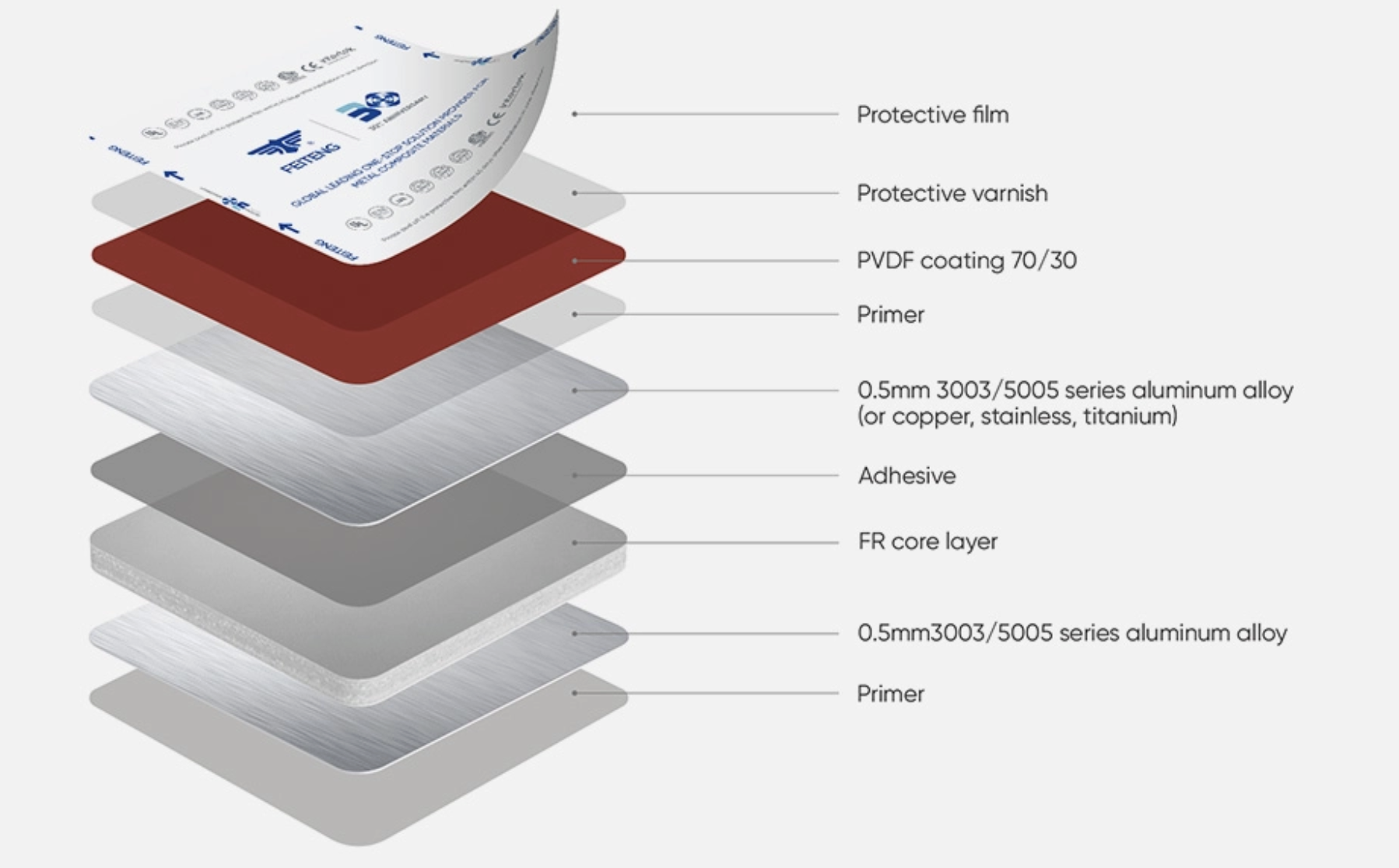
Aluminum Composite Panels are manufactured using a carefully controlled continuous process to ensure strength, durability, and a flawless surface.
Lamination and Bonding
The core material is continuously fed between two aluminum sheets.
Heat and pressure bond the layers, forming a sturdy sandwich structure.
Surface Flattening
Panels pass through rollers to ensure superior flatness.
Creates a smooth, blemish-free surface ready for finishing.
Protective Coatings
Panels receive PVDF or Polyester coatings.
Coatings provide UV resistance, weatherproofing, and color durability.
Optional finishes can imitate wood, marble, stone, or metallic textures.
| Step | Purpose | Notes |
|---|---|---|
| Lamination | Bond layers | Core material determines strength and fire rating |
| Flattening | Smooth surface | Removes imperfections, ensures consistency |
| Coating | Weatherproof & aesthetic | PVDF offers long-lasting color and protection |
Each panel undergoes stringent testing before shipment.
Third-Party Certifications
Independent labs check material integrity, fire performance, and coating quality.
Compliance with ISO standards and industry-specific certifications ensures reliability.
Compliance with Key Standards
ULC S134 – multi-story fire testing for high-rise safety
AAMA508-09 – water penetration and air tightness for ventilated facades
Panels also undergo testing for impact resistance, vibration absorption, and thermal performance
| Standard | Focus | Typical Use |
|---|---|---|
| ULC S134 | Fire resistance | High-rise & public buildings |
| AAMA508-09 | Water & air tightness | Ventilated facades |
| ISO/Third-party | Material quality | Global construction projects |
This controlled production and quality verification ensures panels perform consistently for facades, interior walls, signage, or decorative features.
Aluminum Composite Panels are known for being affordable yet high-performing, making them a popular choice for construction projects of all sizes.
Several elements determine the price of aluminum composite panels:
Core Material – Fire-retardant or mineral-filled cores cost more than basic polyethylene.
Panel Thickness – Thicker panels require more material and energy to produce.
Finish Type – PVDF coatings, metallic or textured finishes add to costs.
Brand – Well-known brands may charge higher prices due to durability, warranty, or color range.
These factors allow buyers to balance budget and project requirements, choosing panels that meet both safety and aesthetic needs.
Compared to steel, wood, or concrete, aluminum composite panels often offer better long-term value:
| Material | Pros | Cons | Cost Insight |
|---|---|---|---|
| Aluminum Panels | Lightweight, durable, low maintenance | Initial cost higher than PE | Saves on installation & maintenance |
| Steel | Strong, fire-resistant | Heavy, prone to rust | Higher transport & upkeep cost |
| Wood | Natural aesthetic, easy to shape | Decays, termite risk | Replacement & treatment costs high |
| Concrete | Strong, weatherproof | Very heavy, labor-intensive | Installation cost high |
Because aluminum composite panels are lighter and easier to install, labor and transportation costs are lower. Their resistance to weather, corrosion, and fading also reduces maintenance costs over time, making them a cost-effective choice for many projects.
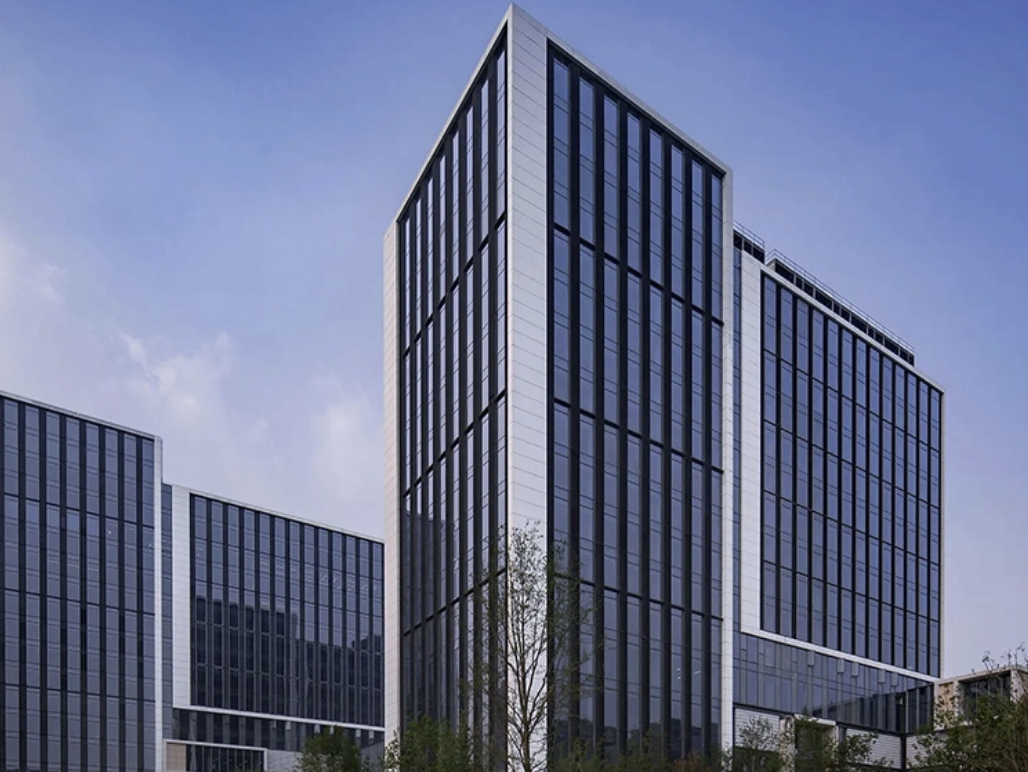
Aluminum composite panels are designed to be durable and low-maintenance, but proper care ensures they last decades while retaining their appearance.
Keeping panels clean is simple. Use mild detergents and water, then rinse with a soft cloth or low-pressure hose. Avoid harsh abrasives or acidic cleaners—they can damage the protective coating.
Some practical tips:
Wash panels once or twice a year, depending on local pollution and weather.
Remove bird droppings, dust, and debris promptly.
For high-rise facades, consider professional cleaning services to ensure safety.
Regular inspections help prevent costly repairs. Focus on:
Delamination – Check edges and joints for separation of layers.
Scratches or dents – Repair small scratches with touch-up coatings.
Corrosion or discoloration – Rare due to aluminum’s natural oxide layer, but inspect areas exposed to harsh chemicals.
With proper maintenance, these panels typically last 20 to 30 years. Fire-rated and premium finishes can extend longevity even further. Their lightweight structure reduces stress on building frames, which also helps maintain overall structural integrity.
Because aluminum composite panels require minimal upkeep, building owners save on:
Cleaning labor and materials
Replacement costs for worn or damaged cladding
Energy savings when used as ventilated facades that reduce heat transfer
| Maintenance Task | Frequency | Notes |
|---|---|---|
| Basic cleaning | 1–2 times/year | Use mild soap and water |
| Visual inspection | 1–2 times/year | Check for scratches, delamination, corrosion |
| Minor touch-ups | As needed | Protect paint finish, prevent larger issues |
Proper care ensures panels stay vibrant, strong, and cost-effective over decades.
A: Yes, aluminum and core materials can be separated and reused, making ACP environmentally sustainable.
A: With proper care, ACP sheets last 20–30 years.
A: Yes, fire-rated mineral-filled ACP is ideal for high-rise facades and public spaces.
A: Wash with mild detergent and water, inspect for scratches, delamination, or corrosion, and avoid harsh chemicals.
Aluminum composite panels provide a perfect balance of strength, aesthetics, and long-term value. With options ranging from fire-rated panels to custom finishes, they adapt to nearly any design vision.
By choosing Zhangjiagang Feiteng New Composite Materials Co., Ltd., you get access to high-quality, durable panels that simplify installation and maintenance while boosting building appeal. Explore their wide range of colors, textures, and sizes to transform your project effortlessly. Investing in these panels ensures style, efficiency, and reliability for years to come.


